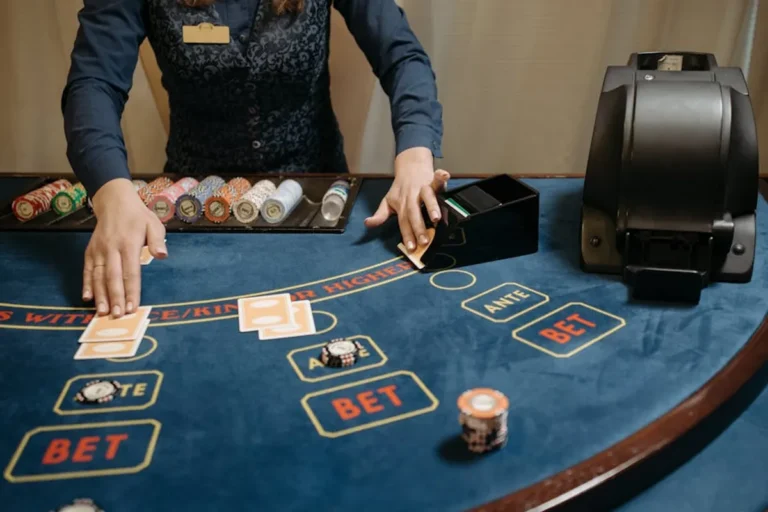

Playing online blackjack offers a convenient and accessible way to engage with one of the most popular casino card games. Unlike physical tables, online platforms provide flexibility regarding stakes, game variations, and the ability to practice without immediate pressure. Understanding the core mechanics and strategic elements is crucial for new players looking to transition from casual interest to informed participation. This guide outlines the fundamental rules, player actions, and key considerations specific to the online environment, enabling a more strategic approach to the game.
Understanding the Core Rules
Blackjack, also known as 21, aims to achieve a hand total closer to 21 than the dealer's hand, without exceeding 21. Each card holds a specific value: numbered cards (2-10) are worth their face value, face cards (Jack, Queen, King) are worth 10, and an Ace can be valued as either 1 or 11, depending on which value benefits the hand most. A "blackjack" is an Ace and any 10-value card dealt as the initial two cards, resulting in a total of 21.
Initial Deal and Player Actions
Upon starting a round, players typically place their bets. The dealer then deals two cards to each player and two cards to themselves. One of the dealer's cards is usually dealt face up (the "upcard"), while the other remains face down (the "hole card"). Based on their initial two cards and the dealer's upcard, players decide on their next action. These actions include:
- Hit: Request an additional card from the dealer. Players can continue to hit until they are satisfied with their total or "bust" (exceed 21).
- Stand: Decline additional cards, keeping the current hand total.
- Double Down: Double the initial bet and receive exactly one more card. This option is typically available only on the first two cards.
- Split: If a player's first two cards are of the same rank (e.g., two 8s), they can split them into two separate hands, placing an additional bet equal to the original on the second hand. Each new hand is then played independently.
- Surrender: In some variations, players can surrender their hand after the initial deal, forfeiting half of their original bet and ending the round for that hand. This is usually an option when the player believes their chances of winning are very low.
After all players have completed their actions, the dealer reveals their hole card. The dealer must then hit or stand according to a predefined set of rules, which typically require them to hit on all totals of 16 or less and stand on all totals of 17 or more (some variations specify "soft 17," where the dealer hits on a 17 that includes an Ace counted as 11). The hand closest to 21 without exceeding it wins.
Applying Basic Strategy for Online Play
Basic strategy in blackjack refers to a mathematically derived set of decisions that minimizes the house edge over the long term. This strategy is based on the player's hand total and the dealer's upcard. While it doesn't guarantee a win on every hand, consistently applying basic strategy reduces the casino's advantage to its lowest possible point, often around 0.5% in standard games. Online platforms often provide access to strategy charts, which are invaluable tools for new players.
Key considerations for basic strategy:
- Always split Aces and 8s.
- Never split 4s, 5s, or 10-value cards.
- Always hit a hard 11 or less.
- Stand on a hard 17 or more.
- Double down on 11 against any dealer upcard (except Ace).
- Double down on 10 against a dealer's 2 through 9.
Many online blackjack games offer a "strategy guide" or "basic strategy chart" directly within the game interface, allowing players to consult it during play without affecting game flow. This accessibility makes online play an ideal environment for learning and practicing optimal decision-making. Many online blackjack games offer a strategy guide or basic strategy chart directly within the game interface, allowing players to consult it during play without affecting game flow. This accessibility makes online play an ideal environment for learning and practicing optimal decision-making, and you can explore this further in a casino game demo mode explained.
Pro Tip: Always consult and adhere to a basic strategy chart, especially when starting. This isn't cheating; it's maximizing your statistical probability of success and is widely accepted in both online and land-based play. Many online platforms even offer "practice play" modes where you can apply these strategies without risking real money.
Navigating Online Blackjack Environments
The online environment introduces specific elements that differentiate it from physical casino play. Understanding these aspects is crucial for a smooth and enjoyable experience.
Random Number Generators (RNGs): Most standard online blackjack games utilize RNGs to ensure fair and unpredictable card distribution. These algorithms are designed to produce sequences of numbers that lack any discernible pattern, mimicking the randomness of a shuffled deck in a physical casino. Reputable online platforms employ certified RNGs, which are regularly audited by independent third parties to verify their fairness and integrity.
Live Dealer Games: For players seeking a more immersive experience, live dealer blackjack bridges the gap between online convenience and the traditional casino atmosphere. These games feature real dealers, real cards, and physical tables, streamed in real-time to your device. Players interact with the dealer and sometimes other players via chat functions. This format eliminates reliance on RNGs for card distribution, offering a transparent and social gaming option.
Bankroll Management: Regardless of the game type, effective bankroll management is paramount. Set a budget for your online play and stick to it. Avoid chasing losses and know when to stop. Consider using smaller bet sizes relative to your total bankroll, especially when learning, to extend your playing time and absorb natural fluctuations in outcomes.
Bonuses and Promotions: Many online platforms offer welcome bonuses, deposit matches, or other promotions. While these can provide additional playing funds, always read the terms and conditions carefully. Pay attention to wagering requirements and game contributions, as blackjack often contributes less to bonus playthrough than slot games.
Getting Started with Online Blackjack
Playing online blackjack requires a clear understanding of the rules, a commitment to basic strategy, and responsible bankroll management. Start by familiarizing yourself with the game's objective and card values. Utilize practice modes to apply basic strategy without financial risk. As you gain confidence, consider transitioning to real-money play, always keeping your budget in mind. The online format provides a flexible and accessible way to enjoy this classic card game, offering both traditional RNG tables and the interactive experience of live dealer options. The online format provides a flexible and accessible way to enjoy this classic card game, offering both traditional RNG tables and the interactive experience of live dealer options, and you can learn how RNG casino games work.
Frequently Asked Questions
Can I play online blackjack for free?
Yes, many online platforms offer free-play or demo versions of their blackjack games. This allows players to practice rules and strategy without wagering real money.
Is online blackjack fair?
Reputable online platforms use certified Random Number Generators (RNGs) for standard games, which are regularly audited by independent agencies to ensure fairness. Live dealer games use physical cards and dealers, providing a transparent real-time experience.
What is the best strategy for online blackjack?
The mathematically proven "basic strategy" is the optimal approach for minimizing the house edge. This strategy dictates the best action (hit, stand, double down, split) for every possible player hand and dealer upcard combination.
Can I count cards in online blackjack?
Card counting is generally ineffective in standard online RNG blackjack games because the deck is "shuffled" after every hand, negating any historical card tracking. In live dealer games, while theoretically possible, continuous shuffling machines or frequent deck changes typically make it impractical.