
Understanding the mechanics behind Random Number Generator (RNG) casino games is fundamental for anyone operating, analyzing, or investing in the digital gaming sector. These systems are not merely technical components; they are the bedrock of operational integrity, player trust, and regulatory compliance. For operators, a robust and transparent RNG system translates directly into player retention and market credibility. For analysts and marketers, comprehending RNG functionality allows for more informed assessments of game fairness, payout structures, and the competitive landscape. This deep dive explains how these critical systems function, their application in various game types, and the stringent measures in place to ensure their impartiality.
The Core Mechanism: What is a Random Number Generator?
At its essence, a Random Number Generator is an algorithm designed to produce a sequence of numbers or symbols that lacks any discernible pattern, making each outcome statistically independent of the previous one. In the context of digital casino games, these generators are almost exclusively Pseudo-Random Number Generators (PRNGs), not True Random Number Generators (TRNGs).
Pseudo-Random vs. True Random
- Pseudo-Random Number Generators (PRNGs): These are deterministic algorithms that produce sequences of numbers that appear random but are, in fact, entirely predictable if the initial 'seed' value and the algorithm itself are known. The randomness comes from the seed value, which is often derived from sources of entropy like system clock time, mouse movements, or other unpredictable physical phenomena. Once seeded, a PRNG will generate the same sequence every time if given the same seed. For casino games, the seed is typically refreshed constantly and kept confidential, ensuring unpredictability for the player.
- True Random Number Generators (TRNGs): These rely on physical, unpredictable phenomena (e.g., atmospheric noise, radioactive decay, thermal noise) to generate numbers. While offering genuine randomness, TRNGs are typically slower and more resource-intensive, making them less practical for the high-speed, high-volume demands of online casino platforms. Their primary use in gaming is often to provide the initial, unpredictable seed for PRNGs.
The commercial utility of PRNGs in casino games stems from their speed, reproducibility for auditing purposes, and the ability to generate a vast number of unique sequences that mimic true randomness for practical purposes, provided they are properly implemented and seeded.
Applying RNGs to Digital Casino Games
The output of an RNG is continuously generated, even when a game is not actively being played. When a player initiates an action (e.g., presses 'Spin' on a slot machine or clicks 'Deal' in blackjack), the game software captures the most recent number or set of numbers produced by the RNG. These numbers are then mapped to specific game outcomes.
RNG in Slot Games
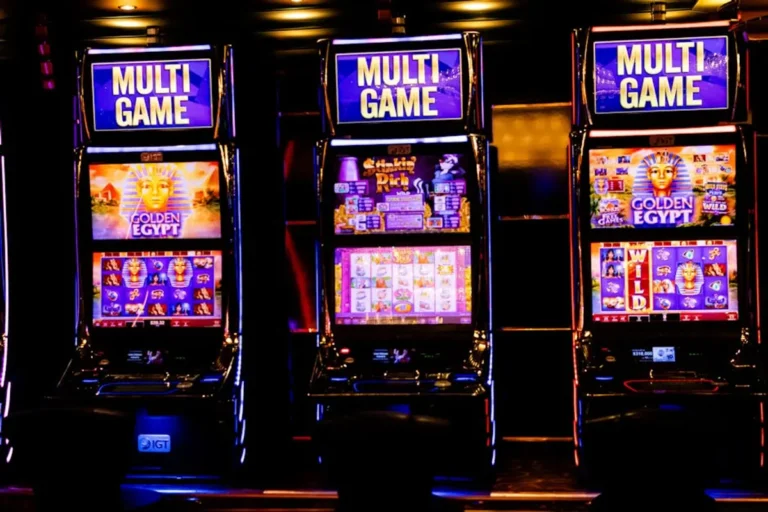
For slot machines, the RNG determines the final position of each reel. Before a spin, the RNG continuously cycles through millions of numbers. The moment the 'Spin' button is pressed, the RNG generates a number for each reel. These numbers correspond to specific symbols on a virtual reel strip. For example, a three-reel slot might require three random numbers, each dictating where one reel stops, ultimately determining if a winning combination appears.
RNG in Table Games
In digital table games, the RNG's function is equally critical:
- Blackjack: The RNG determines the sequence of cards dealt from a virtual deck. Each card drawn corresponds to a random number generated by the system, ensuring that the dealing process is unbiased and unpredictable.
- Roulette: The RNG dictates where the ball lands on the virtual roulette wheel. A random number is generated and mapped to a specific pocket, ensuring that each spin is independent and fair.
- Video Poker: Similar to blackjack, the RNG shuffles and deals cards from a virtual deck, determining the initial hand and subsequent draws.
The commercial implication here is that the RNG effectively replaces the physical randomization mechanisms of traditional casinos—card shuffles, dice rolls, or spinning wheels—with a digital equivalent that must maintain equivalent levels of perceived and actual fairness.
Ensuring Fairness, Integrity, and Compliance
For operators, the integrity of their RNG systems is paramount. It affects not only player trust but also regulatory licensing and ongoing operational legitimacy. Several mechanisms are in place to ensure that RNGs are truly random, fair, and cannot be manipulated.
Independent Auditing and Certification
Reputable online casinos do not merely self-declare their RNGs are fair. They contract independent third-party testing agencies to audit and certify their systems. Organizations like eCOGRA (eCommerce Online Gaming Regulation and Assurance), GLI (Gaming Laboratories International), and iTech Labs specialize in testing RNGs for statistical randomness, unpredictability, and non-repeatability. These audits typically involve:
- Statistical Analysis: Running billions of simulations to ensure the output numbers conform to expected statistical distributions (e.g., Chi-square test, F-test, Kolmogorov-Smirnov test).
- Seed Verification: Examining the entropy sources and methods used to seed the PRNG, ensuring the initial values are sufficiently random and cannot be predicted.
- System Security: Reviewing the software and hardware implementation to ensure the RNG cannot be tampered with or influenced by external factors.
- Payout Percentage Verification: Confirming that the actual Return to Player (RTP) percentages over extended periods align with the theoretical RTP values published for each game.
Pro Tip for Operators: Always prioritize RNG certification from globally recognized independent testing agencies. Displaying these certifications prominently builds immediate player trust and satisfies stringent regulatory requirements across jurisdictions. Lack of verifiable certification is a significant red flag for players and regulators alike, directly impacting player acquisition and retention.
Regulatory Oversight
Gaming authorities in regulated markets (e.g., Malta Gaming Authority, UK Gambling Commission) mandate that all licensed operators use certified RNGs. These regulators often require regular audits and reports, ensuring ongoing compliance. Failure to meet these standards can result in severe penalties, including license revocation, which represents a catastrophic commercial failure.
Operational Impact and Commercial Advantages
A well-implemented and certified RNG system offers substantial operational and commercial advantages:
- Enhanced Player Trust: Transparency regarding RNG fairness builds confidence, which is critical for player acquisition and long-term loyalty. Players are more likely to engage with and return to platforms they perceive as fair.
- Regulatory Compliance: Meeting stringent RNG standards is non-negotiable for obtaining and maintaining gaming licenses, opening access to regulated markets and protecting operators from legal liabilities.
- Game Integrity: Guarantees that game outcomes are genuinely random and unbiased, preventing accusations of manipulation and maintaining the integrity of the gaming experience.
- Scalability: PRNGs are highly efficient, allowing operators to run thousands of games simultaneously for millions of players without performance bottlenecks, supporting large-scale commercial operations.
- Data for Analysis: While individual outcomes are random, the aggregate data generated by RNGs over millions of plays allows operators to analyze game performance, optimize RTP settings within regulatory limits, and refine game design for commercial success.
Securing Your Operational Foundation with Robust RNGs
The Random Number Generator is more than a technical component; it is the commercial and ethical backbone of any digital casino operation. Its proper implementation, rigorous third-party auditing, and continuous regulatory compliance are non-negotiable for building and maintaining player trust, securing market access, and ensuring long-term commercial viability. For operators, understanding and prioritizing RNG integrity is not just about meeting a technical requirement, but about safeguarding their brand reputation and securing their business model against scrutiny.
Frequently Asked Questions About RNG Casino Games
Are RNGs in casino games truly random?
Most RNGs in casino games are Pseudo-Random Number Generators (PRNGs). While they are deterministic and not "truly random" in a philosophical sense, they are designed to produce sequences that are statistically indistinguishable from true randomness for practical purposes. Their unpredictability relies on highly complex algorithms and constantly changing, secret seed values derived from high-entropy sources, making outcomes impossible to predict or manipulate.
How can I verify if an online casino's RNG is fair?
Look for certifications from independent third-party auditing agencies such as eCOGRA, GLI (Gaming Laboratories International), or iTech Labs. These certifications, usually displayed on the casino's website footer, indicate that the RNGs have been rigorously tested for fairness, randomness, and compliance with industry standards. Reputable casinos will make these audit reports and certifications readily available.
Can an RNG be manipulated by the casino?
In licensed and regulated online casinos, manipulation of the RNG is extremely difficult and highly unlikely. Regulatory bodies impose strict requirements for RNG certification and regular audits. Any attempt at manipulation would be detected by these independent testing agencies or regulators, leading to severe penalties, license revocation, and irreparable damage to the operator's reputation. Security measures, including encryption and strict access controls, also protect RNG systems.
What is the relationship between RNG and Return to Player (RTP)?
The RNG determines the outcome of each individual game round, ensuring it is random and unpredictable. The Return to Player (RTP) percentage, on the other hand, is a theoretical long-term average payout rate for a game, calculated over millions of spins or hands. While the RNG dictates what happens in any single instance, the RTP is a statistical measure of how much money a game is expected to pay back to players over an extended period, based on the game's design and the probabilities generated by the RNG.