Live dealer games bridge the gap between traditional online play and the physical casino floor, offering an interactive experience from any location with an internet connection. For new players, understanding how these systems operate is key to appreciating their appeal and making informed decisions about participation. Unlike fully automated online games that rely on Random Number Generators (RNGs) for outcomes, live dealer setups use actual human dealers, physical cards, real roulette wheels, and tangible dice, all streamed in real-time. This blend provides transparency and a social element often missing from standard digital formats, making them a distinct category within online entertainment.
The Operational Core of Live Dealer Systems
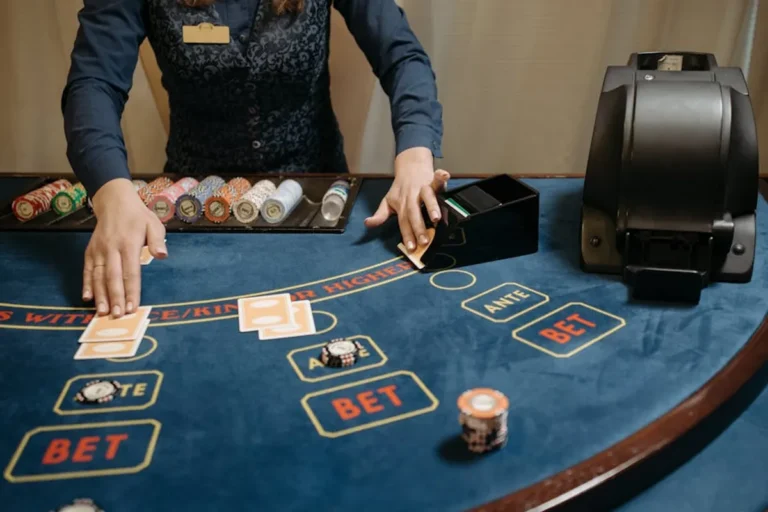
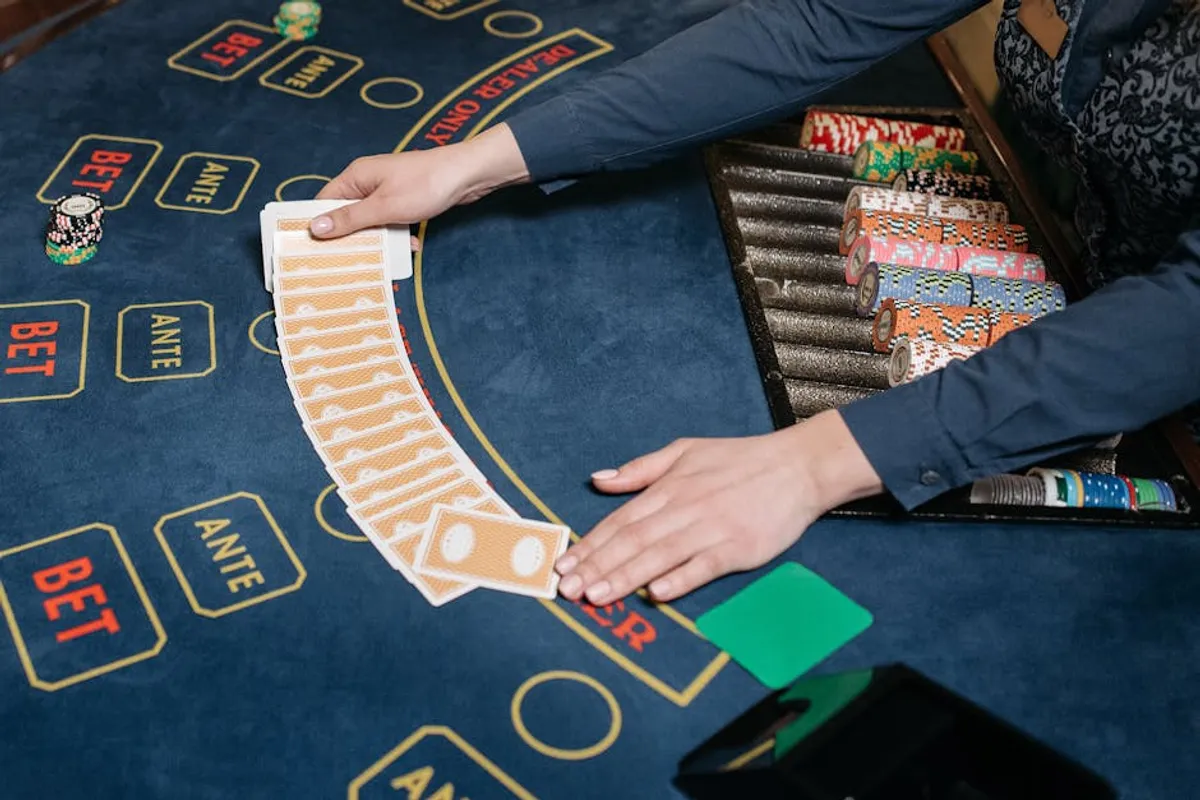
At their foundation, live dealer games are sophisticated streaming productions. A dedicated studio, often resembling a high-end casino environment, houses the game tables and professional dealers. Multiple high-definition cameras capture every angle of the game, from the dealer's actions to the cards dealt or the roulette wheel's spin. This visual feed is then broadcast directly to players' devices. These productions detail exactly how live dealer games work, providing players with a transparent view of the action.
The interactive component relies on a crucial piece of technology: the Game Control Unit (GCU). This small, data-rich device is attached to every game table and is the backbone of the entire operation. The GCU encodes the physical game actions into digital data, allowing the software to interpret what's happening in the real world and present it on the player's screen. For example, when a dealer scans a card, the GCU registers its value and suit, which then updates the digital representation of the player's hand.
Key Technological Integrations
- High-Definition Streaming: Ensures clear, real-time video and audio transmission from the studio to the player. Bandwidth optimization allows for smooth play even with varying internet speeds.
- Optical Character Recognition (OCR) Software: This technology is vital for games like roulette or blackjack. OCR reads the outcomes of physical events—the number the ball lands on, the value of cards dealt—and converts this visual data into usable digital information for the player interface. This eliminates manual input errors and ensures accuracy.
- Player Interface and Betting System: Players interact with the game through a digital overlay on their screen. This interface allows them to place bets, make decisions (hit, stand, split, etc.), and communicate with the dealer and other players via a chat function. The system processes these digital commands and relays them back to the dealer in the studio.
- Secure Data Transmission: All player actions, bets, and game outcomes are encrypted and transmitted securely to maintain integrity and privacy.
Common Live Dealer Game Offerings
The variety of games available in live dealer formats continues to expand, mirroring popular casino staples and introducing innovative new concepts:
- Live Blackjack: Players aim to beat the dealer's hand without exceeding 21. Multiple variants exist, often with side bets and different table limits.
- Live Roulette: European, American, and French roulette are common, with players betting on where a ball will land on a spinning wheel.
- Live Baccarat: A card game where players bet on the outcome of the 'player' or 'banker' hand, or a tie.
- Live Poker Variants: Games like Casino Hold'em, Three Card Poker, and Caribbean Stud Poker, where players compete against the house.
- Game Shows: Interactive, often wheel-based games like Dream Catcher or Monopoly Live, designed for entertainment and large-scale participation.
Each game type is managed by a professionally trained dealer, ensuring rules are followed and the game flow is maintained, providing a consistent experience for all participants.
Player Prerequisites and Experience Factors
To engage with live dealer games effectively, players need a stable internet connection—preferably broadband—to ensure uninterrupted streaming. A modern desktop computer, laptop, or mobile device with a compatible browser or dedicated app is also necessary. Most platforms optimize their streams for various devices, but a strong connection remains paramount for a seamless experience.
Pro Tip for New Players: Before committing real money, observe a few rounds of your chosen game. Many live dealer platforms allow you to watch the action unfold without placing bets. This observational period helps you familiarize yourself with the interface, the dealer's pace, and the specific rules of that table, reducing potential missteps when you do decide to play.
Benefits and Considerations for New Players
The primary draw for many new players is the enhanced level of trust and transparency. Seeing a physical wheel spin or cards being dealt by a human eliminates concerns about RNG fairness, as the outcomes are visibly real. The social aspect, through direct interaction with the dealer via chat and sometimes with other players, also adds to the immersive feeling, replicating some of the camaraderie of a physical casino.
However, new players should also consider the pace. Live dealer games operate at the speed of a human dealer, which is generally slower than automated online games. This can be an advantage for thoughtful play but might feel slow for those accustomed to rapid-fire digital rounds. Additionally, table limits in live dealer games can sometimes be higher than their RNG counterparts, reflecting the increased operational costs of running a live studio.
Getting Started with Live Dealer Games
For those ready to dive in, the process is straightforward:
- Choose a Reputable Platform: Select a platform known for its secure operations and diverse live dealer offerings.
- Create an Account: Register and verify your identity as required.
- Deposit Funds: Use a secure payment method to add money to your account.
- Navigate to the Live Casino Section: Most platforms have a clearly labeled section for live dealer games.
- Select Your Game and Table: Browse the available games and tables, paying attention to minimum and maximum bet limits, and the specific rules of each variant.
- Join the Table: Once seated (virtually), you'll see the live stream and the interactive betting interface.
- Place Your Bets: Follow the on-screen prompts to place your wagers within the allotted time.
Understanding these foundational elements ensures new players can confidently navigate the live dealer environment, appreciating both the technological ingenuity and the authentic gaming experience it delivers.
Navigating Your Live Dealer Journey
Live dealer games represent a significant evolution in online interactive entertainment, offering a compelling blend of digital convenience and real-world engagement. For new players, grasping the mechanics—from the studio setup and the role of the GCU to the importance of a stable internet connection—demystifies the experience. This knowledge empowers players to make informed choices, manage their expectations regarding game pace and interaction, and ultimately, enjoy a more authentic and transparent form of online play. The key lies in approaching these games with an understanding of their unique operational structure and the interactive opportunities they present.
Frequently Asked Questions
Are live dealer games fair?
Yes, live dealer games are generally considered fair because they use physical equipment (cards, wheels, dice) operated by human dealers, visible via live stream. This transparency allows players to see the game unfold in real-time, reducing concerns about algorithmic manipulation.
Do I need special software to play live dealer games?
Typically, no. Most live dealer games are accessible directly through a web browser on desktop or mobile devices. Some platforms may offer dedicated mobile apps that provide an optimized experience, but they are not usually mandatory.
Can I chat with the dealer and other players?
Yes, most live dealer games feature a chat function that allows players to communicate with the dealer and sometimes with other players at the table. Dealers are trained to respond verbally to chat messages, enhancing the interactive and social aspects of the game.
What happens if my internet connection drops during a live game?
If your connection drops, the system usually records your last placed bet. Depending on the platform and game rules, your bet may either stand for that round, or if no action was taken, it might be returned. It’s best to check the specific platform's terms and conditions regarding disconnections.