Live dealer casino games represent a pivotal evolution in online gaming, bridging the gap between traditional brick-and-mortar casinos and digital accessibility. These offerings provide players with real-time interaction with human dealers, streamed live from dedicated studios or actual casino floors. For operators and marketers, understanding the intricate mechanics, operational demands, and distinct player appeal of live dealer games is critical for effective product positioning, user acquisition, and retention strategies. This format differentiates itself by delivering an authentic, transparent, and social gaming experience, directly influencing player trust and engagement metrics in a competitive digital landscape. Understanding the casino game return to player is also key for players seeking value in their wagers.
Core Mechanics: Bridging Physical and Digital Play
The foundation of live dealer games lies in sophisticated streaming technology and specialized studio setups. High-definition cameras capture every action, from card shuffles and deals to roulette wheel spins, transmitting these events in real-time to players' devices. This live feed is augmented by a digital interface that allows players to place bets, interact with the dealer via chat functions, and view game statistics. Unlike traditional online casino games that rely solely on Random Number Generators (RNGs) for outcomes, live dealer games combine an RNG for card shuffling (in some cases) or dice rolls with the physical actions of a human dealer, fostering a perception of greater fairness and transparency among players.
Key technological components include:
- High-Bandwidth Streaming: Ensures uninterrupted, high-quality video and audio transmission.
- Optical Character Recognition (OCR) Software: Converts physical game elements (e.g., card values, roulette results) into digital data, allowing the game interface to update automatically and accurately.
- Game Control Units (GCUs): Small, data-rich devices attached to every table, encoding the video broadcast and facilitating the game’s backend operations.
- Dedicated Game Studios: Professionally designed environments equipped with lighting, multiple cameras, and soundproofing to replicate a casino atmosphere.
Popular Live Dealer Game Categories
The live dealer format has revitalized classic casino games and introduced innovative new ones, each appealing to distinct player preferences:
Table Game Classics
These are the cornerstone of any live casino offering, leveraging the human element for authenticity.
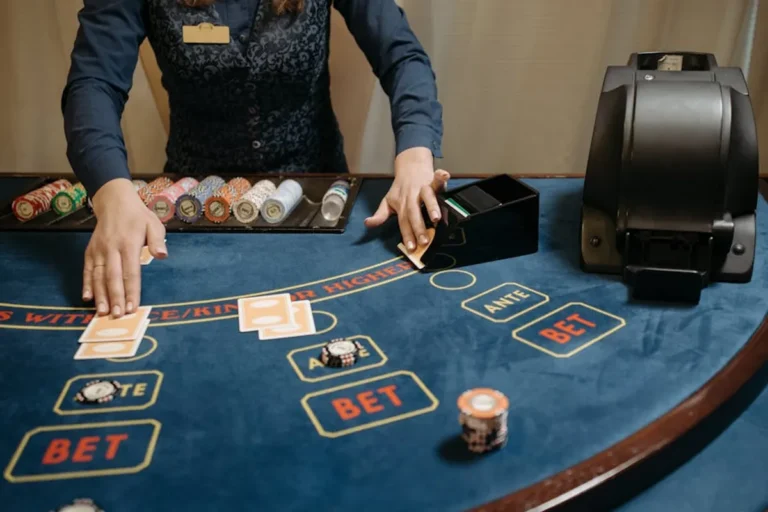
Live Blackjack: Features real cards, human dealers, and often multiple player seats, allowing for strategic play and social interaction. Variants like Blackjack Party cater to a more relaxed, social atmosphere with lower stakes.
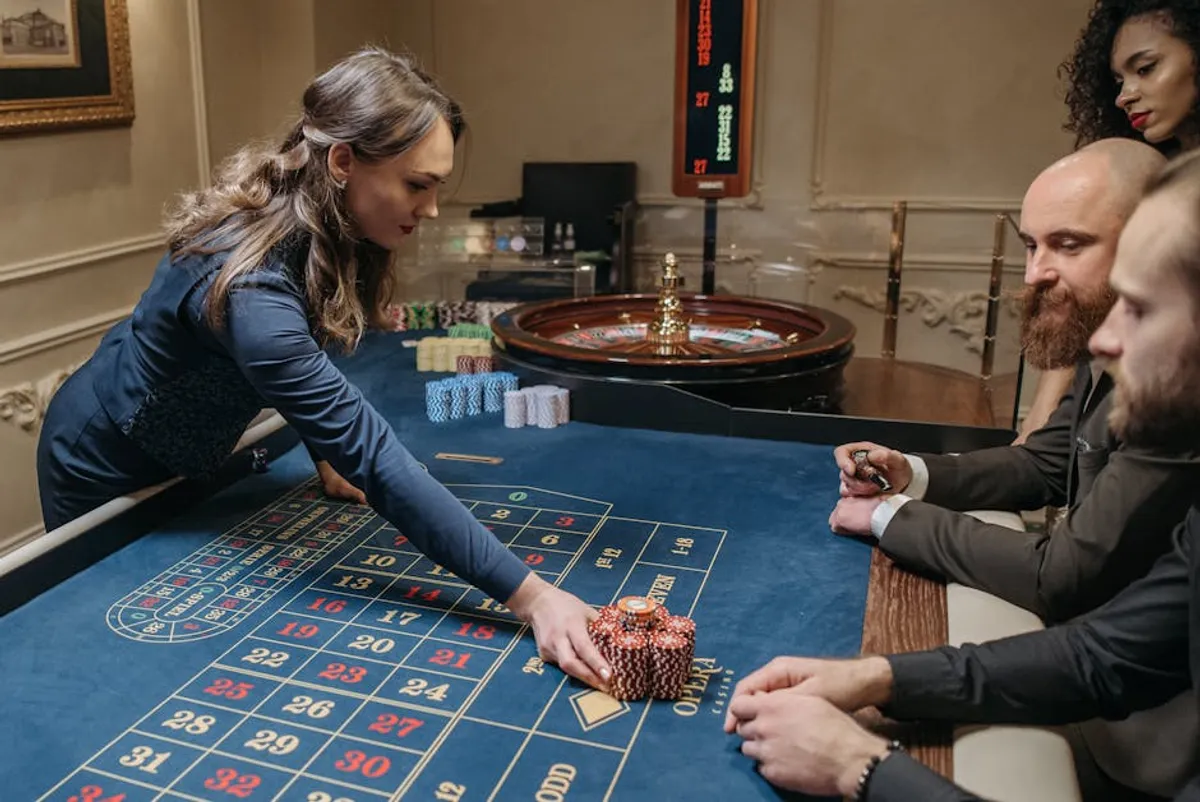
Live Roulette: Offers various versions (European, American, French) with a real wheel and ball. Players place bets on a digital interface while watching the physical outcome unfold. Some versions include unique camera angles or slow-motion replays of the ball landing.
Live Baccarat: Known for its fast pace and low house edge, live baccarat benefits from the real-time card dealing, appealing to players who value quick rounds and an elegant game atmosphere.
Poker Variants
Live dealer poker often involves players competing against the house rather than each other, simplifying the social dynamics while retaining strategic depth.
Casino Hold'em: Players aim to beat the dealer's hand with the best five-card combination from two hole cards and five community cards.
Three Card Poker: A quicker variant where players compete against the dealer with only three cards, offering straightforward gameplay and multiple betting options.
Innovative Game Shows
These offerings blend elements of traditional casino games with popular television game show formats, often featuring charismatic hosts and interactive bonus rounds.
Dream Catcher: A large, vertically mounted wheel spun by a host, with players betting on the number it will land on. Multipliers add excitement.
Monopoly Live: Combines the Dream Catcher wheel with a 3D Monopoly board bonus game, offering an immersive experience with familiar intellectual property.
Crazy Time: An evolution of the money wheel concept, incorporating multiple bonus rounds with high-multiplier potential and engaging visual effects.
Pro Tip for Operators: Ensure your infrastructure supports high-quality, stable streaming across all target devices and network conditions. Player frustration due to lag or disconnections directly impacts retention and perceived reliability of the platform. Invest in robust content delivery networks (CDNs) and optimize for mobile performance.
Operational Considerations and Commercial Value
Operating live dealer games involves significant investment and ongoing management. Studios require specialized equipment, trained dealers, pit bosses, camera operators, and IT support staff, leading to higher operational costs compared to purely RNG-based games. Regulatory compliance is also more stringent, often requiring licensing for both the software provider and the operating platform, along with regular audits of game fairness and studio operations.
Despite these complexities, the commercial value is substantial:
- Enhanced Player Trust: Seeing a human dealer and physical game elements builds confidence, especially for players skeptical of pure RNG outcomes.
- Increased Engagement and Session Length: The interactive and social nature of live games often leads to longer play sessions and higher average bet sizes.
- Competitive Differentiation: A robust live dealer offering can attract and retain a distinct segment of players who prioritize authenticity and social interaction.
- Higher Lifetime Value (LTV): Players engaging with live dealer games often exhibit higher loyalty and contribute more revenue over time due to the immersive experience.
- Global Appeal: Studios often cater to multiple languages and regional preferences, expanding market reach.
Strategic Implementation
For platforms looking to integrate or optimize their live dealer offerings, strategic implementation involves careful vendor selection, understanding regional player preferences, and continuous monitoring of game performance. Partnering with established live casino providers ensures access to cutting-edge technology, diverse game portfolios, and experienced personnel. Moreover, effective marketing campaigns must highlight the unique selling propositions of live dealer games—transparency, interaction, and immersive atmosphere—to resonate with the target audience.
Frequently Asked Questions
What is the main difference between live dealer games and regular online casino games?
The primary distinction is the presence of a human dealer and physical game equipment (cards, roulette wheel) in live dealer games, streamed in real-time. Regular online casino games use computer-generated graphics and outcomes determined solely by a Random Number Generator (RNG).
Are live dealer games fair?
Yes, reputable live dealer games are fair. They operate under strict regulatory oversight, with physical equipment and dealer actions visible to players. Optical Character Recognition (OCR) technology ensures accurate digital representation of physical outcomes, and studios are regularly audited for compliance and integrity.
Do I need special software to play live dealer games?
No, most live dealer games are accessible directly through a web browser or a dedicated mobile app. They typically use standard streaming technologies and do not require additional software downloads beyond what your device already uses for internet browsing.
Can I interact with the dealer and other players?
Yes, interaction is a key feature of live dealer games. Players can typically communicate with the dealer via a live chat function, and in some multiplayer games like blackjack, you may also see and chat with other players at your virtual table.