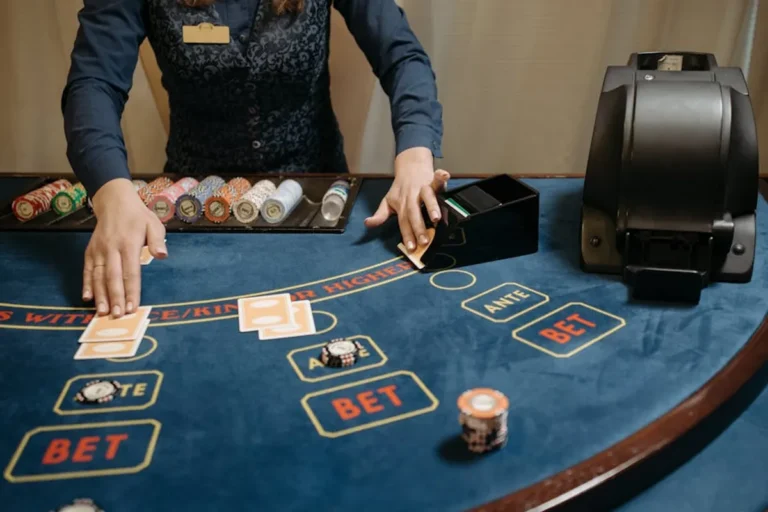

Live baccarat offers an engaging, real-time casino experience, bridging the gap between traditional brick-and-mortar play and online convenience. Understanding its underlying mechanics is crucial for any player looking to engage effectively. This isn't just about knowing the rules; it's about comprehending the flow of the game, the role of the live dealer, and the interactive elements that define the live format. For those considering playing, grasping these operational details ensures a more informed and controlled session, moving beyond mere chance to a strategic appreciation of the game's structure.
The Core Mechanics of Live Baccarat
At its heart, live baccarat functions on the same principles as its traditional counterpart, Punto Banco, but with a human dealer facilitating the game via a live video stream. The objective remains simple: bet on which hand—the "Player" or the "Banker"—will have a total closest to nine, or if the round will end in a "Tie." If you're unfamiliar with the game, familiarizing yourself with the basic baccarat rules will greatly enhance your understanding of the live version.
The Live Dealer's Role
Unlike automated online baccarat, a live dealer manages the game from a studio, dealing physical cards from a shoe. This human element introduces authenticity and transparency. The dealer shuffles, deals, and announces the outcomes, often interacting with players via a chat function. Their actions are captured by multiple high-definition cameras, providing various perspectives of the table and card reveals. This focus on authenticity is a hallmark of all popular live dealer games, offering a distinct advantage over purely digital options.
Card Dealing and Values
Cards are dealt face up to two positions: Player and Banker. Each hand receives two cards initially. Card values are straightforward:
- Aces count as 1.
- Cards 2 through 9 count as their face value.
- Tens and face cards (Jack, Queen, King) count as 0.
The total value of a hand is the rightmost digit of the sum of its cards. For example, a hand with a 7 and an 8 totals 15, making its baccarat value 5. A hand with a King and a 3 totals 3.
The Third-Card Rule
A distinctive aspect of baccarat is the automated "third-card rule." Neither the player nor the dealer makes decisions about drawing additional cards; these rules are predetermined and applied automatically. This means players only choose their bet, not their playing action. The rules dictate whether the Player hand or the Banker hand (or both) receives a third card based on their initial two-card totals. For instance, if the Player's initial total is 0-5, they draw a third card. The Banker's third-card draw is more complex, often depending on both its own total and whether the Player drew a third card, and if so, what its value was.
Understanding Betting Options and Payouts
Live baccarat offers three primary betting positions, each with distinct odds and payouts.
Player Bet: This wager predicts the Player hand will win. It typically pays 1:1. The house edge on a Player bet is generally around 1.24%.
Banker Bet: Betting on the Banker hand to win is often considered the statistically strongest option. It also pays 1:1, but a 5% commission is usually deducted from winnings to account for the Banker's slight statistical advantage (due to the third-card rules favoring the Banker). This results in an effective payout of 0.95:1. The house edge on a Banker bet is approximately 1.06%.
Tie Bet: This bet predicts that both Player and Banker hands will have the same total. Payouts for a Tie bet are significantly higher, often 8:1 or 9:1. However, the house edge on a Tie bet is considerably higher, typically around 14.36%, making it a less favorable long-term option.
Side Bets
Many live baccarat tables also offer various side bets, which provide additional wagering opportunities beyond the main three. Common side bets include:
- Player Pair / Banker Pair: Bets on the first two cards dealt to either the Player or Banker forming a pair (e.g., two Queens). Payouts are usually 11:1 or 12:1.
- Perfect Pair: A more specific pair bet, requiring two identical cards (e.g., two Queen of Hearts). Payouts are higher, often 25:1.
- Any Pair: Bets on either the Player or Banker hand forming a pair.
- Dragon Bonus: A bonus bet that pays out based on the margin of victory for the chosen hand (Player or Banker), or if the hand wins with a natural 8 or 9.
Side bets generally carry a higher house edge than the main Player or Banker bets, despite their attractive payouts. They add excitement but can deplete a bankroll faster if not managed carefully.
Pro Tip: Focus on the Banker bet for the lowest house edge in baccarat. While the 5% commission might seem off-putting, its long-term statistical advantage makes it the most favorable primary bet. Avoid the Tie bet for extended play due to its high house edge, reserving it for occasional, higher-risk entertainment.
The Live Baccarat Experience
The immersive quality of live baccarat stems from its blend of sophisticated technology and human interaction. High-definition video streams, often available in multiple camera angles, bring the casino floor directly to the player's device. Players place their bets using a digital interface overlayed on the video feed, with chips and betting areas clearly visible.
A key feature is the real-time chat function, allowing players to communicate with the dealer and sometimes with other players at the table. Dealers are trained to respond, enhancing the social aspect of the game. Game rounds typically proceed at a measured pace, allowing time for betting, card dealing, and result announcements, mirroring the rhythm of a physical casino.
Variations in Live Baccarat
Beyond the standard Punto Banco format, live baccarat studios offer several variations:
- Speed Baccarat: Designed for faster play, with rounds often completed in less than 30 seconds. Ideal for players who prefer a quicker pace.
- No Commission Baccarat: Eliminates the 5% commission on Banker wins, but typically compensates by paying 0.5:1 on a Banker win with a total of 6.
- Baccarat Squeeze / Control Squeeze: These versions incorporate the traditional baccarat "squeeze" ritual, where cards are slowly revealed. In Control Squeeze, players can virtually "squeeze" their own cards by clicking and dragging on the screen, adding an interactive element of suspense.
- Lightning Baccarat: Adds random multipliers to certain cards, potentially boosting payouts significantly but often with an added fee per bet.
Optimizing Your Live Baccarat Session
To maximize your live baccarat experience, several practical steps are beneficial. First, always ensure a stable internet connection to prevent disconnections during critical betting windows. Familiarize yourself with the specific rules and side bets offered at your chosen table, as variations can impact strategy and payouts. Pay attention to the betting limits, which vary from table to table, and manage your bankroll accordingly. Setting loss limits and understanding the implications of the house edge on different bets will contribute to a more controlled and enjoyable session. Engage with the dealer and other players if you wish, but remember that the core game mechanics remain consistent, emphasizing the statistical edge of the Banker bet for consistent play.
Frequently Asked Questions
What is the best bet in Live Baccarat?
The Banker bet is statistically the best option due to its lowest house edge, typically around 1.06%, even with the 5% commission on winnings.
Can I use strategies in Live Baccarat?
While card counting is generally ineffective in baccarat due to frequent shuffles and the use of multiple decks, players can employ bankroll management strategies and choose bets with lower house edges to optimize their play.
Is Live Baccarat fair?
Reputable live baccarat providers use certified Random Number Generators (RNGs) for shuffling (though physical shuffles are performed by the dealer) and operate under strict regulatory oversight, ensuring fairness and integrity.
What's the difference between regular online baccarat and Live Baccarat?
Regular online baccarat uses a purely digital, RNG-driven simulation, while live baccarat features a real human dealer, physical cards, and a live video stream, offering a more authentic and interactive casino atmosphere.