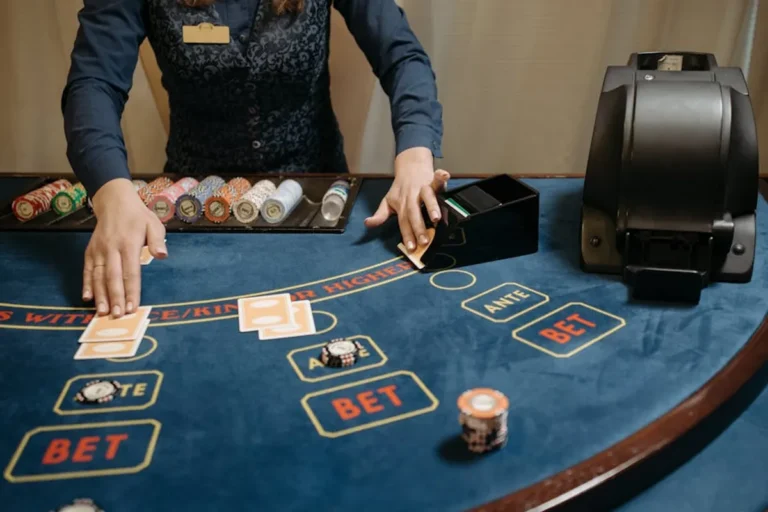

Choosing between slots and table games represents a fundamental decision for players, driven by distinct motivations and offering vastly different experiences. For marketers and platform operators, understanding these divergences is crucial for effective player segmentation, product development, and content strategy. This comparison outlines the core mechanics, player psychology, and commercial implications of each category, enabling a more informed approach to engagement and retention.
Understanding Slot Games
Slot games are characterized by their reliance on random number generators (RNGs) to determine outcomes. Players interact by spinning reels, aiming to land matching symbols across predetermined paylines. The simplicity of this core mechanic is a primary driver of their widespread appeal.
Player Experience: Slots offer instant gratification and require no prior skill or complex decision-making. The allure comes from vibrant themes, engaging audiovisuals, and the potential for large, often progressive, jackpots. Each spin is an independent event, making them accessible to casual players seeking pure entertainment without strategic commitment.
Commercial Implications: Slots typically generate high volume due to their rapid play cycle and broad appeal. Their design allows for extensive thematic variation, catering to diverse player interests from ancient mythology to pop culture. Marketing efforts often highlight jackpot sizes, new game releases, and bonus features like free spins or multipliers. The lower barrier to entry means they can attract a wider demographic, making them a cornerstone of many gaming platforms.
Key Mechanics and Metrics:
- RTP (Return to Player): This percentage indicates the theoretical amount of wagered money a slot machine pays back to players over time. Higher RTPs generally favor players in the long run.
- Volatility (Variance): This describes the risk level. High volatility slots pay out less frequently but offer larger wins, while low volatility slots pay out more often with smaller amounts.
- Paylines: The patterns on the reels where winning combinations must land. Modern slots can have hundreds or even thousands of ways to win.
- Bonus Features: In-game mechanics like wild symbols, scatter symbols, free spins rounds, and mini-games that enhance engagement and winning potential.
Understanding Table Games
Table games encompass a category where skill, strategy, and interaction often play a significant role alongside chance. These games, such as Blackjack, Poker, Roulette, and Baccarat, are typically played against a dealer or other players around a physical or virtual table.
Player Experience: Table games appeal to players who seek an intellectual challenge, social interaction, and the ability to influence outcomes through strategic decisions. They demand a deeper understanding of rules, probabilities, and often, opponent psychology. The pace is generally slower than slots, allowing for more deliberate play and a more immersive, communal experience.
Commercial Implications: While potentially attracting a smaller, more dedicated player base than slots, table games often command higher average bets and foster greater player loyalty due to the skill element and social engagement. Marketing for table games frequently emphasizes strategic depth, lower house edges with optimal play, and the prestige associated with mastering a game. Live dealer versions further enhance their appeal by replicating the authentic casino atmosphere. Marketing for table games frequently emphasizes strategic depth, lower house edges with optimal play, and the prestige associated with mastering a game.
Key Mechanics and Metrics:
- Skill Element: Games like Blackjack and Poker allow players to make decisions that directly impact the outcome and house edge. Optimal strategy can significantly reduce the casino's advantage.
- House Edge: This is the casino's built-in advantage, expressed as a percentage of the player's wager. In many table games, the house edge is considerably lower than slots, especially with skilled play.
- Player Interaction: Many table games involve direct interaction with dealers and/or other players, fostering a social environment.
- Rulesets: Each table game has a unique and often complex set of rules that players must learn to play effectively.
Pro Tip: For platform operators, understanding player motivation is paramount. Slots attract those seeking immediate, low-effort entertainment and jackpot dreams, while table games cater to players who value strategy, social interaction, and the challenge of mastering a game. Tailoring content, promotions, and user experience to these distinct psychographics will drive engagement and retention more effectively than a one-size-fits-all approach.
Direct Comparison: Slots vs. Table Games
The fundamental differences between these two gaming categories dictate distinct player preferences and commercial strategies.
Skill vs. Chance
Slots: Predominantly chance-based, with outcomes determined by an RNG. Player input is minimal, limited to setting the bet size and initiating a spin. This makes them ideal for casual entertainment.
Table Games: Many table games, particularly card games like Blackjack and Poker, incorporate a significant skill element. Players' decisions (e.g., hit or stand in Blackjack, betting strategy in Poker) directly influence their probability of winning and the effective house edge. Games like Roulette and Baccarat are more chance-based but still offer strategic betting options.
Pace of Play
Slots: Designed for rapid, continuous play. Spins are quick, and players can often engage in hundreds of rounds per hour, leading to high turnover.
Table Games: Generally slower-paced. Rounds involve multiple players and decision points, creating a more deliberate and thoughtful experience. This extended engagement per round can lead to longer session times for dedicated players.
Social Interaction
Slots: Primarily a solitary experience, even in a crowded casino. Players focus on their individual game.
Table Games: Often highly social. Players interact with dealers and other participants, creating a shared experience. This social dimension is a significant draw for many players.
House Edge and RTP
Slots: RTP typically ranges from 92% to 98%, meaning the house edge is 2% to 8%. This edge is fixed, regardless of player action.
Table Games: House edges can be significantly lower, especially with optimal strategy. For example, Blackjack with perfect basic strategy can have a house edge under 0.5%. However, suboptimal play can quickly increase this. Roulette's house edge is fixed (e.g., 2.7% for European Roulette), but the game still offers strategic betting patterns.
Learning Curve
Slots: Almost no learning curve. Players can immediately understand the basic premise and start playing.
Table Games: Require players to learn rules, betting structures, and often optimal strategies. This higher learning curve can be a barrier to entry but also a source of satisfaction for those who master the games.
Strategic Alignment for Player Engagement
For any gaming platform, the decision to emphasize slots or table games, or to balance both, depends on the target audience and desired player experience. Slots excel at attracting volume, providing instant entertainment, and offering the dream of a life-changing jackpot. They are ideal for casual players and those seeking a quick diversion.
Table games, conversely, draw in a more strategic, engaged, and often higher-value player segment. These players are motivated by skill, social interaction, and the intellectual challenge of beating the house or other players. They often exhibit greater loyalty and a higher average session value.
A balanced approach often involves a robust offering of both, with clear segmentation in marketing and UI/UX design to guide players to their preferred experiences. Understanding these core differences allows for more precise targeting and product development, ensuring that the platform caters effectively to diverse player motivations.
Frequently Asked Questions
What are the main differences in odds between slots and table games?
Slots generally have a higher house edge (lower RTP) and outcomes are purely random. Table games, especially those involving skill like Blackjack, can offer a significantly lower house edge if played with optimal strategy, giving players more influence over the outcome.
Do table games always require skill?
No, not all table games require significant skill. Games like Roulette and Baccarat are largely chance-based, similar to slots, though they offer more complex betting options. Games like Blackjack and Poker, however, heavily rely on player skill and strategic decisions.
Which type of game is better for social interaction?
Table games are inherently more social, involving interaction with dealers and other players. Slots are typically a solitary experience, even when played in a communal setting, as each player focuses on their individual machine.
How should I choose between playing slots or table games?
Choose slots if you prefer simple, fast-paced entertainment with no strategy required and the potential for large jackpots. Opt for table games if you enjoy intellectual challenge, strategic decision-making, social interaction, and potentially lower house edges with skilled play.