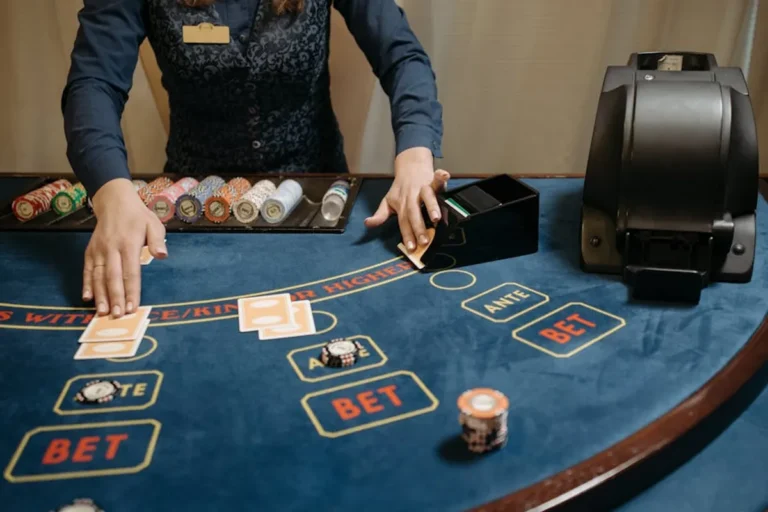

Engaging with casino games offers entertainment and the thrill of potential wins, but maintaining control over play is crucial for a sustainable and positive experience. Responsible gambling is not about abstinence; it is about informed choices, self-awareness, and implementing practical strategies to ensure that gaming remains a form of recreation rather than a source of financial or personal distress. This approach safeguards financial well-being, preserves mental health, and allows players to enjoy the activity without detrimental consequences.
Establishing Financial Limits
Effective financial management forms the bedrock of responsible casino play. Before engaging with any game, players must establish clear, non-negotiable monetary boundaries. This involves allocating a specific amount of disposable income solely for gambling, ensuring these funds are distinct from money designated for rent, groceries, or savings. Once this budget is depleted, all play should cease until the next predetermined period.
Practical Application: Consider using a separate bank account or pre-paid card for gambling funds. This physical separation makes it harder to overspend and provides a clear visual cue when the budget is exhausted. Many online platforms offer tools to set daily, weekly, or monthly deposit limits, which automatically prevent further deposits once the set threshold is reached. Utilize these features proactively.
Managing Time and Play Frequency
Time management is as critical as financial control. Extended gambling sessions can lead to fatigue, impaired judgment, and a higher propensity to chase losses. Setting time limits for each session prevents this escalation. For example, deciding to play for a maximum of 60 minutes per session, regardless of wins or losses, introduces a structured approach to gameplay.
Regular breaks are also essential. Step away from the game every 20-30 minutes, even if only for a few minutes, to clear your head. This prevents immersion that can blur the lines between entertainment and compulsion. Furthermore, consider the overall frequency of play. Gambling should not become a daily or primary activity; it should complement other hobbies and social engagements.
Pro Tip: Implement self-exclusion tools offered by many gaming operators. These allow players to voluntarily ban themselves from specific platforms for a set period (e.g., six months, one year, or permanently). This is a powerful preventative measure for those who find it difficult to adhere to self-imposed limits.
Understanding Game Mechanics and Probabilities
An informed player understands that casino games are designed with a house edge, meaning the casino always has a statistical advantage over the long term. This knowledge helps manage expectations and prevents the misconception that consistent winning is achievable. Familiarize yourself with concepts like Return to Player (RTP) percentages, which indicate the theoretical percentage of wagered money a game pays back to players over time. Higher RTP percentages generally offer better long-term value, though short-term outcomes remain random.
Avoid common gambling fallacies, such as believing a win is "due" after a series of losses or that a game is "hot" after a recent payout. Each spin, hand, or roll is an independent event with the same probability as the last. Basing decisions on these fallacies can lead to irrational betting and extended play beyond set limits.
Recognizing Personal Warning Signs
Self-awareness is paramount. Players should monitor their emotional and behavioral responses to gambling. Warning signs that play might be becoming problematic include:
- Feeling anxious, guilty, or irritable after gambling.
- Chasing losses with increasing stakes or extended play.
- Lying to family or friends about gambling activities or losses.
- Neglecting responsibilities at work, home, or school due to gambling.
- Borrowing money or selling possessions to fund gambling.
- Preoccupation with gambling thoughts when not playing.
If these signs emerge, it indicates a need to pause and reassess gambling habits. Early recognition allows for timely intervention before issues escalate.
Utilizing Support Resources
A range of resources exists to support responsible gambling. Many gaming platforms provide self-assessment questionnaires that help players evaluate their habits. Beyond platform-specific tools, numerous independent organizations offer confidential advice and support. These include helplines, online forums, and professional counseling services specializing in problem gambling. Engaging with these resources is a sign of strength and a proactive step towards maintaining control.
Cultivating a Balanced Lifestyle
Gambling should be one component of a varied and fulfilling life, not its central focus. Ensure that other interests, hobbies, social connections, and personal goals receive adequate attention. Engage in physical activity, pursue creative endeavors, and nurture relationships. A balanced lifestyle reduces the likelihood of gambling becoming an escape mechanism or a primary source of entertainment, thereby promoting a healthier relationship with the activity.
Sustaining Responsible Play
Responsible gambling is an ongoing practice, not a one-time decision. Regularly review your financial limits, time allocations, and emotional state. Be prepared to adjust your approach if circumstances change or if you notice any shift in your relationship with gambling. Proactive self-management and a willingness to seek support when needed are the most effective strategies for ensuring casino games remain a source of enjoyable entertainment.
Frequently Asked Questions
What is responsible gambling?
Responsible gambling involves making informed choices and setting personal limits on time and money spent on casino games to ensure the activity remains entertaining and does not lead to negative consequences.
How do I set a gambling budget effectively?
Allocate a specific amount of disposable income that you are comfortable losing, separate these funds from essential expenses, and strictly adhere to this budget without exceeding it.
What should I do if I think I have a gambling problem?
If you suspect a problem, immediately stop playing, utilize self-exclusion tools on gaming platforms, and seek assistance from support organizations or professional counselors specializing in gambling addiction.
Are there tools to help me gamble responsibly?
Yes, many online casinos offer tools like deposit limits, loss limits, session time limits, and self-exclusion options; independent organizations also provide self-assessment tests and support resources.