Selecting casino games requires more than just picking a title that looks appealing. Strategic choices align game characteristics with your personal financial limits and current skill level. Understanding how game mechanics, house edge, and volatility interact with your budget and experience is fundamental to making informed decisions, extending playtime, and enhancing the overall engagement.
Understanding Your Budget Parameters
Your budget dictates the types of games you can realistically play and for how long. Games vary significantly in their minimum bet requirements, house edge, and volatility, all of which directly impact how quickly your funds are depleted or potentially increased. A disciplined approach to budget management begins with identifying these core game attributes.
Low-Budget Play: Maximizing Small Stakes
For players operating with a limited budget, the goal is often to maximize playtime and entertainment value without significant financial risk. This involves selecting games with low minimum bets and, ideally, lower volatility to allow for more rounds of play.
Best for: Extended play, minimal risk, casual entertainment.
- Penny Slots (or low-denomination slots): Many slot machines allow bets as low as one cent per line, though playing all lines often increases the minimum total bet. Look for games with a high Return to Player (RTP) percentage, typically above 96%, to improve theoretical long-term payouts. While slots are high-volatility, low minimums stretch a small budget over many spins.
- Video Poker (specific variants): Games like Jacks or Better often have minimum bets starting at $0.25 per hand. With optimal strategy, the house edge can be very low, sometimes under 0.5%, making it a budget-friendly option for those willing to learn basic strategy.
- Roulette (outside bets): Betting on red/black, odd/even, or high/low offers close to a 50% chance of winning (minus the house edge from 0/00). Minimum bets are usually low, and wins are 1:1, allowing for a slower burn on a small bankroll.
Mid-Range Budgets: Balancing Risk and Reward
Players with a moderate budget can explore games that offer a balance between lower-risk, longer-play options and higher-payout, higher-volatility choices. The focus shifts to games where strategic play can influence outcomes and where potential returns are more substantial than penny games, without requiring high roller stakes.
Best for: Strategic engagement, moderate risk, potential for higher payouts.
- Blackjack: Standard blackjack tables often have minimums ranging from $5 to $25. With a low house edge (around 0.5% with basic strategy), it offers good value for a mid-range budget, especially for players who apply strategic decisions.
- Craps (Pass/Don't Pass Line): While craps can appear complex, the Pass Line and Don't Pass Line bets have a low house edge (1.41% and 1.36% respectively). These bets offer 1:1 payouts and allow for strategic "odds" bets that have no house edge, balancing risk for a moderate budget.
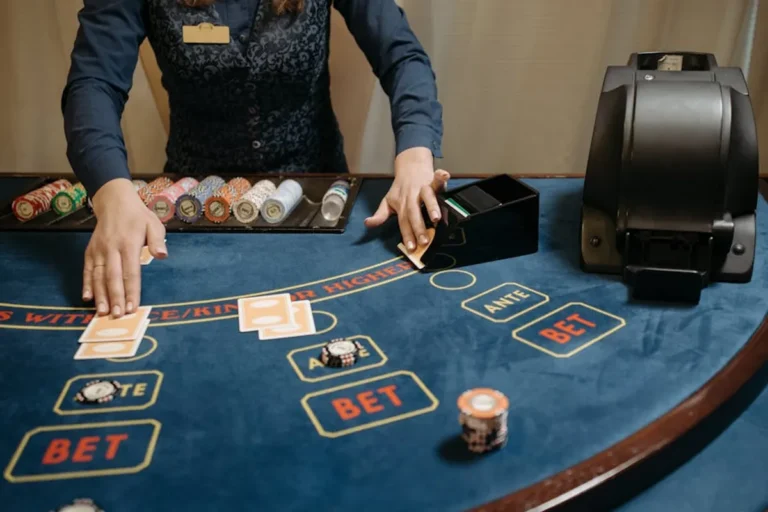
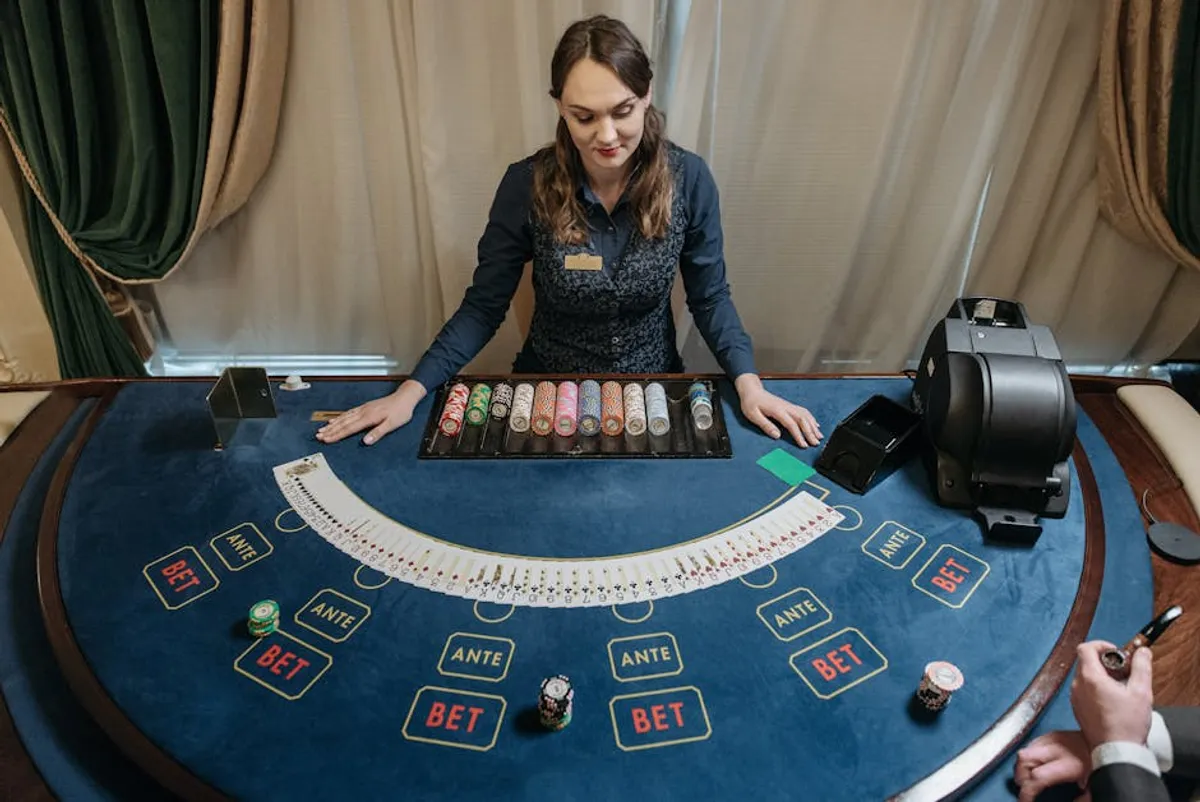
- Three Card Poker: This game combines elements of poker with a simpler structure. Minimum bets are typically $5-$10, and the house edge is manageable (around 3.37% on the Ante/Play bet), making it accessible for players seeking a quick, engaging poker experience.
High-Budget Play: Seeking Higher Stakes and Potential Returns
Players with substantial budgets are often looking for higher stakes, larger potential payouts, and games that accommodate significant wagers. These games typically feature higher minimum bets and can have higher volatility, meaning larger swings in bankroll are expected.
Best for: High-stakes action, significant payouts, advanced strategic play.
- Baccarat: A popular choice among high rollers due to its simplicity and low house edge on certain bets (Banker bet is 1.06%, Player bet is 1.24%). High-limit tables are common, allowing for large wagers.
- High-Limit Blackjack/Roulette: Dedicated high-limit sections offer tables with minimum bets ranging from $50 to $500 or more. These provide the same game mechanics but cater to players comfortable with larger w per hand or spin.
- Pai Gow Poker: This game involves setting two poker hands from seven cards. It's known for its slower pace and frequent pushes (ties), which can extend playtime even with higher minimum bets, appealing to a high-budget player looking for sustained play. The house edge is typically around 2.5%.
Assessing Your Experience Level
Your familiarity with game rules, strategic nuances, and decision-making under pressure significantly impacts your enjoyment and potential success. Matching games to your experience level prevents frustration and allows for gradual skill development.
Beginner-Friendly Games: Simple Rules, Immediate Engagement
New players benefit from games that require minimal prior knowledge, have straightforward rules, and offer immediate feedback. These games allow beginners to grasp basic casino concepts without feeling overwhelmed by complex decisions.
Best for: Learning the ropes, immediate fun, no complex strategy required.
- Slot Machines: The quintessential beginner game. Simply insert money, press a button, and watch the reels spin. No strategy is involved beyond choosing your bet size, making them highly accessible.
- Keno: Similar to a lottery, players select numbers and wait for a draw. The rules are simple, and the pace is often relaxed.
- Roulette (Basic Bets): Placing bets on single numbers, colors, or odd/even is intuitive. While strategies exist, basic play requires no prior knowledge beyond understanding the betting layout.
Intermediate Play: Developing Strategy and Skill
As players gain confidence, they often seek games where understanding rules and applying basic strategy can genuinely improve their odds. These games introduce decision-making elements that reward learning and practice.
Best for: Applying basic strategy, improving odds, deeper engagement.
- Blackjack: Mastering basic strategy (when to hit, stand, double down, or split) can significantly reduce the house edge. This makes it an ideal game for intermediate players looking to influence outcomes.
- Video Poker: While simple to play, memorizing optimal strategy charts for specific variants like Jacks or Better can dramatically lower the house edge, turning it into a game of skill rather than pure chance.
- Three Card Poker: Players make decisions on whether to play their hand against the dealer. Learning the optimal strategy (e.g., always play if you have Queen-6-4 or better) is straightforward and rewarding.
Advanced Play: Mastering Complex Strategies and Optimal Decisions
Experienced players are drawn to games that demand deep strategic understanding, precise decision-making, and often, effective bankroll management. These games offer the highest intellectual challenge and, in some cases, the lowest house edge for skilled players.
Best for: High-level strategy, intellectual challenge, long-term skill development.
- Poker Variants (e.g., Texas Hold'em, Omaha): These are player-vs-player games where skill, psychology, and mathematical probability are paramount. Mastering these requires extensive study and practice.
- Craps (Advanced Bets): Beyond the basic Pass/Don't Pass, understanding and utilizing "odds" bets, place bets, and proposition bets strategically can optimize play, though the complexity is significantly higher.
- Advanced Blackjack Strategies: While basic strategy is for intermediates, advanced players might delve into card counting (where permitted and feasible) or other sophisticated techniques to gain an edge.
Integrating Budget and Experience for Optimal Choices
The most effective game selection occurs when you consider both your financial capacity and your skill level simultaneously. A beginner with a large budget might still prefer simpler games, while an experienced player with a small budget will seek low house-edge games that allow strategic play within their means.
Pro Tip: Always start with games that align with your lowest common denominator. If you have a high budget but are a beginner, prioritize beginner-friendly games to learn the ropes. If you are experienced but on a tight budget, prioritize low house-edge games that allow you to apply your skill without overspending.
Consider the following integrated approach:
- For Beginners with Low Budgets: Focus on low-denomination slots with good RTP or basic roulette outside bets. These offer maximum playtime and minimal complexity.
- For Beginners with Mid-to-High Budgets: Explore games like baccarat or simplified roulette. The rules are easy, and higher budgets allow for exploring different betting patterns without immediate pressure.
- For Intermediates with Low Budgets: Video poker (Jacks or Better) with optimal strategy or low-minimum blackjack tables are excellent choices. Your skill can help conserve your budget.
- For Intermediates with Mid-to-High Budgets: Blackjack, craps (Pass/Don't Pass with odds), or Three Card Poker allow for strategic engagement and higher potential returns.
- For Advanced Players with Low Budgets: Focus on video poker or blackjack where your mastery of strategy can significantly reduce the house edge, making a small budget last longer.
- For Advanced Players with Mid-to-High Budgets: High-stakes poker, baccarat, or high-limit blackjack tables offer the greatest challenge and potential for substantial returns, leveraging both skill and financial capacity.
Practical Game Selection Checklist
Before engaging in any game, take a moment to evaluate these points. This structured approach helps ensure your choices are deliberate and align with your objectives for entertainment and financial management.
- Define Your Session Budget: Establish a clear, non-negotiable amount you are willing to spend for the session.
- Assess Your Experience: Honestly evaluate your familiarity with the game's rules and strategic requirements.
- Research Game Volatility: Understand how frequently a game pays out and the size of those payouts. High volatility means fewer, larger wins; low volatility means more frequent, smaller wins.
- Check the House Edge: Identify the theoretical advantage the casino has over the player. Lower house edges (e.g., blackjack with basic strategy, certain video poker variants) offer better long-term value.
- Review Minimum Bets: Ensure the minimum bet size allows for a reasonable number of rounds within your defined budget.
- Consider Your Goal: Are you seeking extended entertainment, a social experience, or the thrill of chasing a large win? Your goal influences game choice.
Frequently Asked Questions
What is the most budget-friendly casino game for a beginner?
For beginners with a tight budget, low-denomination slot machines or basic outside bets in roulette (like red/black) are often the most budget-friendly options, as they have low minimums and simple rules.
Which casino games offer the best odds if I learn strategy?
Blackjack and specific video poker variants (e.g., Jacks or Better) offer some of the best odds for players who consistently apply optimal strategy, significantly reducing the house edge.
Can I play high-stakes games with limited experience?
While you can technically place high bets on any game, it is generally not advisable to play high-stakes games without sufficient experience and a deep understanding of the rules and strategy, as this significantly increases your risk of rapid losses.
How does game volatility affect my budget?
High-volatility games offer larger, less frequent payouts, which can quickly deplete a smaller budget between wins. Low-volatility games provide more frequent, smaller payouts, extending playtime for more modest budgets.