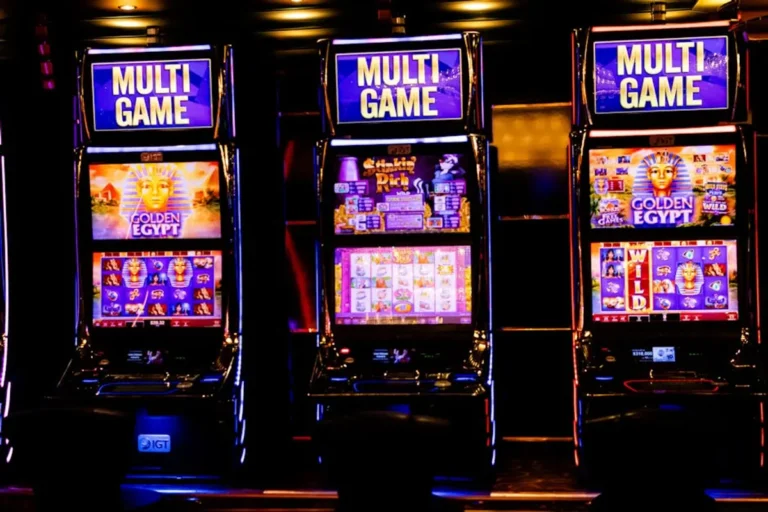

Choosing an online casino involves more than just game selection or bonus offers; the fundamental priority must be player safety. A secure online casino protects your personal data, ensures fair game outcomes, and guarantees the integrity of your financial transactions. Overlooking these foundational elements can lead to significant financial loss, identity theft, or frustrating disputes over winnings. This guide outlines the critical criteria for evaluating a casino's safety and trustworthiness, enabling you to make an informed decision and safeguard your online gaming experience.
Establishing Trust: Licensing and Regulation
The primary indicator of a safe online casino is its operating license. A legitimate license signifies that the casino operates under the regulatory oversight of a recognized governmental authority. These authorities impose strict standards concerning operational transparency, player protection, and financial stability. Casinos without a verifiable license or those licensed in jurisdictions known for lax oversight carry substantial risk.
Verifying a Casino's License
Always locate the licensing information, typically displayed in the footer of the casino's website. Reputable licensing bodies include the Malta Gaming Authority (MGA), the UK Gambling Commission (UKGC), the Kahnawake Gaming Commission, and various state-level regulatory bodies in jurisdictions like New Jersey or Pennsylvania. Once found, navigate to the licensing authority's official website and use their public register to confirm the license's validity and status. A valid license ensures:
- Regulatory Compliance: The casino adheres to specific operational guidelines.
- Player Protection: Mechanisms are in place for dispute resolution and responsible gaming.
- Financial Stability: Operators must demonstrate sufficient funds to cover player winnings.
- Fairness Audits: Games are regularly tested for randomness and fair outcomes.
Digital Fortification: Security Measures
Beyond regulatory compliance, a safe casino employs robust technical security to protect your data from interception and misuse. This includes safeguarding personal information, financial details, and account access.
Data Encryption and Network Security
Look for SSL (Secure Socket Layer) encryption, indicated by a padlock icon in your browser's address bar and a URL beginning with "https://". This technology encrypts all data transmitted between your device and the casino's servers, making it unreadable to unauthorized parties. Additionally, reputable casinos utilize advanced firewall technologies to protect their internal networks from external threats. Two-factor authentication (2FA) for account logins adds another layer of security, requiring a second verification step beyond just a password.
Ensuring Equity: Fair Play and Auditing
A casino's commitment to fair play is crucial for a trustworthy gaming experience. This involves transparent game mechanics and independent verification of game outcomes.
Random Number Generators (RNGs) and Independent Audits
Fair casino games rely on Random Number Generators (RNGs) to produce unpredictable outcomes. A safe casino will have its RNGs regularly tested and certified by independent third-party auditing firms. Organizations such as eCOGRA, iTech Labs, and Gaming Laboratories International (GLI) specialize in verifying the fairness and randomness of casino games and payout percentages (Return to Player, or RTP). The presence of their seals on a casino's site indicates a commitment to audited fairness. Understanding how games payout percentages work is crucial for fair play.
Transparent Payout Percentages
While not a direct safety measure, transparent reporting of payout percentages (RTP) for games signals a casino's commitment to openness. Higher RTPs generally mean better long-term returns for players, and casinos that openly publish these figures, often verified by auditors, demonstrate confidence in their fair play.
Assessing Reputation: Player Feedback and Support
While technical and regulatory checks are paramount, real-world player experiences offer valuable insights into a casino's operational integrity and customer service quality.
Review Sites and Forums
Consult independent review sites and player forums to gauge a casino's reputation. Look for consistent patterns in feedback regarding payment speed, customer support responsiveness, and dispute resolution. Be cautious of sites with an overwhelming number of generic positive reviews or a high volume of unresolved complaints.
Responsive Customer Support
A reliable casino offers accessible and efficient customer support. Test their support channels (live chat, email, phone) before depositing funds. Prompt, knowledgeable, and helpful responses indicate a casino that values its players and is prepared to assist with issues ranging from technical glitches to payment inquiries.
Warning: Withdrawal Terms and KYC
Always review a casino's withdrawal policy and Know Your Customer (KYC) requirements before depositing. Unclear or overly restrictive withdrawal limits, excessive processing times, or opaque KYC procedures can indicate future difficulties in accessing your winnings. Legitimate casinos have clear, reasonable terms and use KYC for regulatory compliance, not as a barrier to payouts.
Promoting Responsibility: Responsible Gaming Tools
Safe casinos prioritize player well-being by providing tools and resources for responsible gaming. These features allow players to manage their gambling habits proactively.
Self-Exclusion and Deposit Limits
Look for options such as self-exclusion, which allows players to temporarily or permanently block access to their accounts. Deposit limits, loss limits, and session time limits enable players to control their spending and playing duration. The availability and prominence of these tools demonstrate a casino's commitment to mitigating potential gambling-related harm.
Making an Informed Decision
Selecting a safe online casino requires a methodical approach, prioritizing verifiable credentials over superficial appeals. By systematically evaluating licensing, security protocols, fair play certifications, and player support mechanisms, you can significantly reduce your risk and enhance your overall gaming experience. Always conduct your due diligence before committing funds or personal information.
Frequently Asked Questions
How do I verify a casino's operating license?
Locate the licensing information, usually in the website footer, which should include the licensing authority and license number. Then, visit the official website of that regulatory body and use their public database or search function to confirm the license's validity and current status.
What are Random Number Generators (RNGs) and why are they important?
RNGs are algorithms that produce sequences of numbers without any discernible pattern, ensuring that game outcomes are entirely random and unbiased. They are crucial for fair play because they guarantee that neither the casino nor the player can predict or manipulate the result of any game spin, roll, or deal.
What payment methods are generally considered safest for online casinos?
Trusted payment methods include major credit/debit cards (Visa, Mastercard), reputable e-wallets (like PayPal or Neteller), and secure bank transfers. These methods typically employ their own advanced encryption and fraud prevention measures, adding an extra layer of security to your transactions.
How can I tell if a casino's withdrawal process is fair?
A fair withdrawal process is characterized by clear terms and conditions, reasonable processing times (typically 24-72 hours after verification), and transparent KYC (Know Your Customer) requirements. Avoid casinos with excessive minimum withdrawal limits, hidden fees, or a history of delayed or denied payouts reported by other players.