
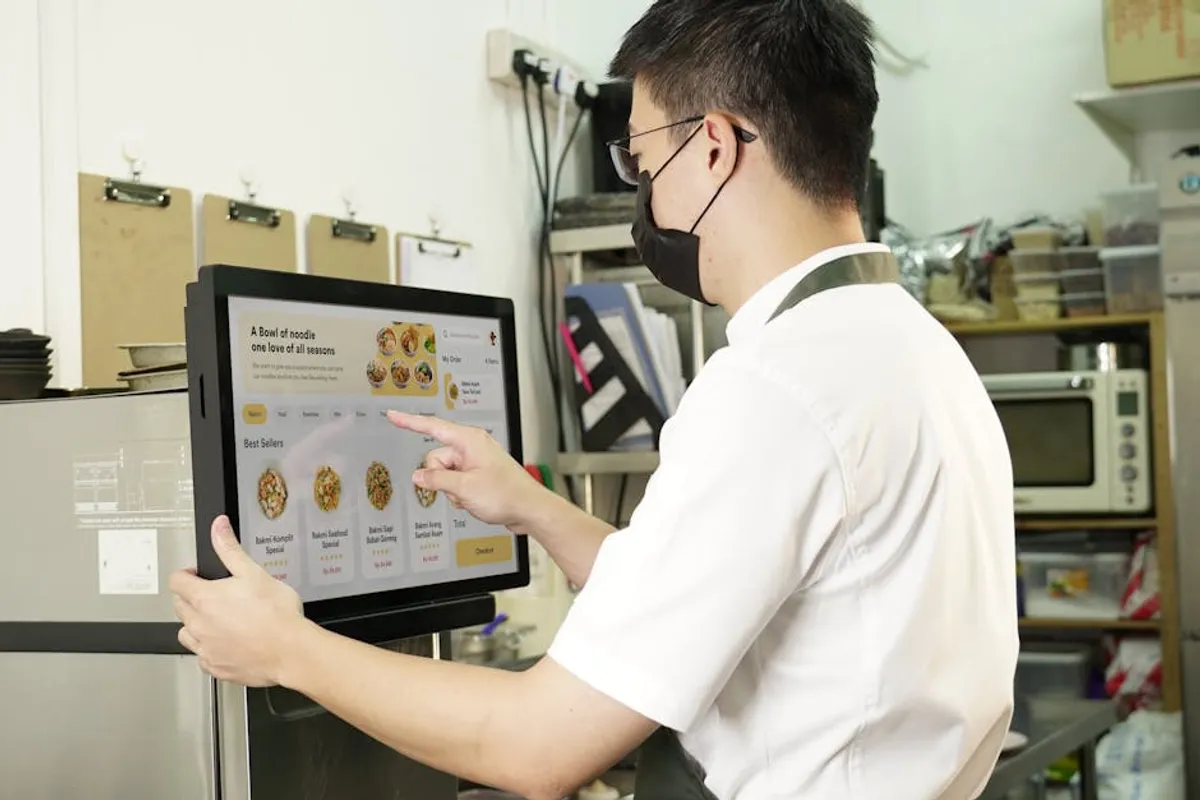
Cookape.com operates within the highly competitive niche of food discovery and online culinary recommendations. Analyzing its search presence involves understanding how it attracts users looking for specific recipes, cooking methods, and meal ideas, as well as those seeking curated food experiences or product suggestions. The site's organic visibility is directly tied to its ability to rank for precise, user-driven queries, making its content strategy a critical component of its market positioning.
What cookape.com Appears to Cover
Cookape.com primarily focuses on recipe content, encompassing a broad spectrum of cuisines, dietary preferences, and cooking skill levels. This includes detailed instructions for main courses, appetizers, desserts, and beverages. The site appears to publish articles that cluster around meal planning, ingredient spotlights, and culinary techniques, such as "how to perfectly sear a steak" or "understanding sourdough fermentation." Beyond individual recipes, cookape.com likely covers topics related to kitchen equipment reviews, ingredient sourcing, and perhaps even food history or cultural culinary practices. This wide net suggests an effort to capture both immediate "what to cook tonight" queries and more exploratory "learn to cook" or "explore new flavors" intent. The depth of articles often includes step-by-step guides, nutritional information, and user-generated comments or ratings, which contribute to the richness of the content.
Where Its Search Traffic May Come From
The organic search traffic for cookape.com likely originates from a combination of long-tail and mid-tail keywords. Users searching for specific recipes (e.g., "authentic chicken tikka masala recipe," "gluten-free chocolate chip cookies") would land on detailed recipe pages. Broader queries like "dinner ideas for busy weeknights" or "healthy breakfast recipes" would direct traffic to curated lists or meal planning guides. Given the visual nature of food, a significant portion of traffic could also stem from image search results, particularly for visually appealing dishes. Furthermore, the site may benefit from featured snippets by providing concise answers to common cooking questions (e.g., "how long to bake salmon," "substitute for buttermilk"). Branded queries, if cookape.com has established a strong identity, would also contribute, though general recipe sites typically rely more on non-branded, informational searches. Traffic patterns would likely show spikes around holidays or specific seasonal ingredients, reflecting user behavior.
Search Intent Behind the Subject
The audience engaging with cookape.com demonstrates primarily informational and commercial investigation intent. Users with informational intent are seeking knowledge: they want to learn a new recipe, understand a cooking technique, or discover facts about an ingredient. Examples include "how to make hollandaise sauce" or "difference between baking soda and baking powder." Commercial investigation intent arises when users are comparing options or looking for recommendations before making a choice, such as "best air fryer recipes" or "easy weeknight dinner ideas for families." While direct transactional intent (e.g., buying a product) is less common on a pure recipe site, the content often influences purchasing decisions for ingredients or kitchen tools. Navigational intent would apply to users specifically looking for cookape.com itself, indicating brand recognition. The site's content strategy needs to cater to these varied intents, providing clear, actionable information for the informational seeker and compelling, comparative content for the commercial investigator.
Why Traffic May Rise or Fall
Organic traffic for cookape.com is susceptible to several factors. A rise could be attributed to successful content updates, such as refreshing older recipes with new photos or improved instructions, or publishing timely content around trending food topics or seasonal events. Strong E-E-A-T (Experience, Expertise, Authoritativeness, Trustworthiness) signals, demonstrated through author bios, user reviews, and accurate, well-researched content, can also boost visibility. Conversely, traffic may fall due to algorithm updates that deprioritize certain content types or favor sites with stronger topical authority. Increased competition from new recipe sites or established brands investing heavily in their food content can also dilute visibility. Technical SEO issues, such as slow page load times, poor mobile responsiveness, or broken internal links, would also negatively impact rankings and user experience, leading to traffic decline. Seasonal demand for specific ingredients or dishes also dictates natural fluctuations.
How the Site Could Improve Organic Visibility
To enhance its organic visibility, cookape.com could focus on several strategic areas. Implementing comprehensive schema markup for recipes (Recipe structured data) would enable rich results in search, such as star ratings, cooking times, and ingredient lists, making entries more appealing. Expanding content clusters around niche dietary requirements (e.g., "low-FODMAP recipes," "vegan meal prep for athletes") could capture underserved long-tail queries. Developing more video content for complex cooking techniques or visually appealing dishes, optimized for YouTube and Google Video search, would tap into a growing search medium. Strengthening internal linking between related recipes, ingredient guides, and cooking techniques would improve crawlability and pass authority. Actively encouraging and moderating user-generated content, such as recipe variations or reviews, can enhance E-E-A-T and content freshness. Regularly auditing existing content for freshness, accuracy, and comprehensiveness, and updating it as needed, is also crucial.
What to Check Before Trusting Traffic Estimates
Before relying on third-party traffic estimates for cookape.com, it is crucial to understand their limitations. These tools typically extrapolate data from a sample set of keywords and public data, which may not capture the full breadth of long-tail queries or specific regional variations. They often struggle to accurately account for brand-specific searches, image search traffic, or the impact of rich snippets. Internal analytics (e.g., Google Analytics, server logs) provide the most accurate picture of user behavior, conversion paths, and actual keyword performance. Key metrics to verify include direct traffic, referral sources, bounce rates, time on page, and conversion goals (e.g., newsletter sign-ups, recipe saves). Without direct access to these first-party data sources, any external traffic estimate should be treated as an directional indicator rather than a definitive measure of performance.
Frequently Asked Questions
What types of recipes does cookape.com typically feature?
Cookape.com appears to feature a wide array of recipes, including main courses, appetizers, desserts, and beverages, covering various cuisines, dietary needs, and skill levels, often with detailed instructions and nutritional information.
How does cookape.com attract users interested in food discovery?
The site likely attracts users through comprehensive recipe content, guides on cooking techniques, ingredient spotlights, and articles on meal planning, targeting both specific "what to cook" queries and broader culinary exploration.
What kind of search intent does cookape.com's content address?
Cookape.com's content primarily addresses informational intent (seeking cooking knowledge) and commercial investigation intent (looking for recipe or product recommendations), with some navigational intent for direct site visitors.
What are common reasons for fluctuations in cookape.com's search visibility?
Fluctuations can stem from algorithm updates, content freshness, E-E-A-T signals, competitive landscape changes, seasonal demand for specific ingredients or dishes, and technical SEO performance issues.