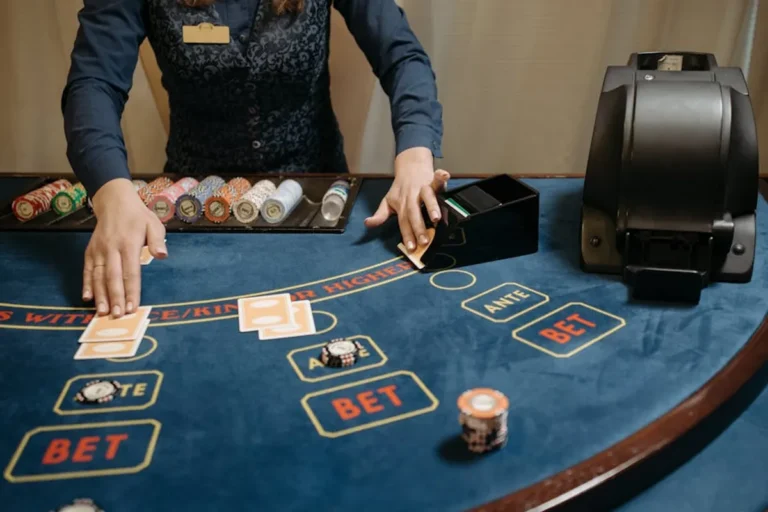

Casino loyalty rewards programs represent a structured approach by gaming establishments to cultivate repeat patronage by offering tangible and experiential benefits to consistent players. These programs operate on a tiered system, where the frequency and volume of play directly correlate with the level of rewards and exclusive access afforded to the participant. For players, understanding the operational mechanics of these systems is crucial for maximizing value and aligning expectations with the actual benefits available. The core proposition for a player is the potential to offset a portion of their gaming expenditure or enhance their overall experience through accumulated points and status upgrades. However, these programs are fundamentally a marketing tool, designed to incentivize continued engagement, not to guarantee profitability for the player. A discerning player evaluates a program not just by its advertised perks, but by its specific earning rates, redemption values, and the conditions attached to each reward.
Understanding Casino Loyalty Program Structure
Casino loyalty programs typically revolve around a points-based system, where every wager contributes to an accumulating balance. These points serve two primary functions: they determine a player's tier status within the program and can be redeemed for various benefits. The rate at which points are earned often varies by game type; for example, slot machines frequently yield points faster than table games due to their higher house edge and faster play. This differential earning rate is a key aspect for players to consider when assessing the true value of their play.
How Points Accumulate
Points are generally awarded based on the amount of money wagered, not necessarily won or lost. For slot machines, a common structure might be one point for every dollar played. For table games, point accumulation can be more complex, often based on average bet size, duration of play, and game type, sometimes requiring manual tracking by pit bosses. Online casinos typically automate this process, tracking every bet placed through a player's account. These accumulated points then become the currency for redeeming rewards, with a fixed redemption value, such as 1,000 points equating to $10 in free play or comps.
Tier Systems Explained
Most loyalty programs incorporate a multi-tiered structure, such as Silver, Gold, Platinum, and Diamond. Players ascend through these tiers by accumulating a specific number of points within a defined period, usually a calendar year. Each tier unlocks progressively more valuable benefits, ranging from enhanced point multipliers and priority service to exclusive lounge access and dedicated hosts. Maintaining a higher tier often requires continued high-volume play, as status is typically reassessed annually. This tiered approach creates a clear incentive for players to concentrate their gaming activity at a single establishment to reach and maintain elite status.
Types of Rewards Offered
The range of rewards available through casino loyalty programs extends beyond simple free play, encompassing a spectrum of tangible and experiential benefits designed to appeal to diverse player preferences. The value proposition of a program is often defined by the breadth and quality of these offerings, directly impacting player engagement and retention.
Tangible Benefits
These are the most common and easily understood rewards. They include free play credits, which can be used on slot machines or sometimes table games, effectively extending a player's gaming time without additional cash outlay. Other tangible benefits frequently include complimentary or discounted hotel stays, meals at casino restaurants, and retail vouchers for on-site shops. These perks directly reduce a player's out-of-pocket expenses during their visits.
Experiential Perks
Higher loyalty tiers often unlock experiential rewards that enhance the overall casino visit. These can include priority check-in at hotels, expedited lines at buffets or shows, and exclusive access to VIP lounges with complimentary beverages and snacks. For top-tier members, benefits might escalate to invitations to private events, golf tournaments, or even dedicated personal hosts who can arrange various aspects of their stay. These perks prioritize convenience and exclusivity, contributing to a premium guest experience.
Financial Incentives
Beyond free play, some programs offer direct financial incentives such as cashback on losses, where a percentage of net losses over a period is returned as bonus funds or cash. Other programs might offer better odds on certain games or higher betting limits for elite members, although these are less common and typically reserved for the highest echelons. Points can also be converted into cash, albeit often at a less favorable rate than for other redemptions like free play or comps.
Common Loyalty Rewards:
- Free play credits for slots and table games.
- Complimentary or discounted hotel rooms.
- Dining credits and free meals.
- Concert tickets and show access.
- Priority service (check-in, restaurant seating).
- Exclusive lounge access.
- Dedicated personal hosts.
- Cashback on losses or point-to-cash conversions.
- Invitations to special events and tournaments.
Maximizing Your Loyalty Benefits
To effectively leverage casino loyalty programs, players need to adopt a strategic approach that goes beyond simply signing up. Understanding the nuances of point accrual, redemption values, and promotional offers is key to extracting the most value from these systems.
Understanding Play Requirements
Each reward, particularly free play or bonus cash, comes with specific terms and conditions. These often include wagering requirements, where the bonus amount must be played through a certain number of times before any winnings can be withdrawn. For instance, a $100 free play credit with a 10x wagering requirement means a player must wager $1,000 before cashing out any associated winnings. Overlooking these requirements can lead to frustration when attempting to redeem benefits.
Strategic Program Selection
Not all loyalty programs are created equal. Players should research and compare programs across different casinos, considering factors such as point earning rates for their preferred games, the variety and perceived value of rewards, and the ease of reaching higher tiers. Concentrating play at one or two establishments where the program aligns best with individual gaming habits and preferences often yields greater returns than spreading play thinly across many.
Leveraging Promotions
Casinos frequently run promotions that offer bonus points, accelerated tier progression, or special redemption opportunities. Actively monitoring these offers and timing play accordingly can significantly boost accumulated rewards. These promotions are often communicated via email, direct mail, or through the casino's mobile app, making it essential for players to opt-in to communications from their chosen loyalty programs.
Pro Tip: Always review the terms and conditions for point expiration and tier demotion. Many programs reset point balances annually or downgrade tiers if sufficient play is not maintained. Understand these cycles to plan your gaming activity and avoid losing accumulated benefits.
Common Misconceptions and Pitfalls
While loyalty programs offer genuine benefits, it is crucial for players to approach them with a clear understanding of their commercial intent. Several common misconceptions can lead to suboptimal outcomes if not addressed.
The House Edge Remains
The fundamental principle of casino gaming is the house edge, which ensures that over the long term, the casino will profit. Loyalty rewards do not negate this mathematical advantage. While they can extend playtime or provide comps, they are designed to encourage more play, thereby increasing the casino's overall revenue potential. Players should not view loyalty programs as a way to overcome the house edge or guarantee profitability.
Expiry Dates and Restrictions
Points, free play, and even tier status often come with expiry dates or specific usage restrictions. Points might expire after six months of inactivity, or free play credits may need to be used within 30 days. Hotel comps might be valid only on specific weekdays or during off-peak seasons. Failing to redeem rewards within their validity period or adhere to usage restrictions means losing the benefit entirely.
Avoiding Overspending
The primary pitfall of loyalty programs is the temptation to play beyond one's budget in an attempt to earn more points or reach a higher tier. This behavior contradicts responsible gaming principles and can lead to financial strain. The value of any reward diminishes significantly if it comes at the cost of excessive or unplanned expenditure. Loyalty programs should enhance an existing entertainment budget, not dictate it.
Navigating Your Loyalty Journey
Casino loyalty rewards programs offer a structured framework for casinos to acknowledge and reward their most consistent players. For the player, these programs present a clear opportunity to enhance their gaming experience and extract additional value from their entertainment budget. Success in leveraging these programs hinges on a combination of informed decision-making, strategic play, and a realistic understanding of the program's underlying commercial objectives. By focusing on programs that genuinely align with your gaming preferences, understanding the specific mechanics of point accumulation and redemption, and vigilantly managing your play within responsible limits, you can effectively navigate the loyalty landscape. The goal is to maximize the perks without altering your core gaming habits or exceeding your financial comfort zone. Ultimately, the most beneficial loyalty program is one that complements your existing entertainment choices, rather than dictating them.
Frequently Asked Questions
What is the difference between points and tier credits?
Points are typically redeemable for specific rewards like free play or comps, while tier credits (or status points) are accumulated solely to determine your loyalty level within the program. You might earn both simultaneously, but they serve different purposes.
Do loyalty points expire?
Yes, in most programs, loyalty points have an expiration period, often tied to inactivity. If a player does not engage in qualifying play for a specified duration (e.g., 6-12 months), their accumulated points may be forfeited. Always check the specific program's terms and conditions.
Can I transfer my loyalty points to another person?
Generally, loyalty points and tier status are non-transferable and tied to the individual player's account. Some exceptions might exist for specific promotional offers or within family accounts, but these are rare and explicitly stated by the casino.
Are loyalty rewards taxable?
The tax implications of casino loyalty rewards can vary based on jurisdiction and the type of reward. While free play or comps are generally not considered taxable income, significant cash equivalents or large prizes won through loyalty promotions might be subject to reporting requirements. Consulting a tax professional for specific advice is recommended.