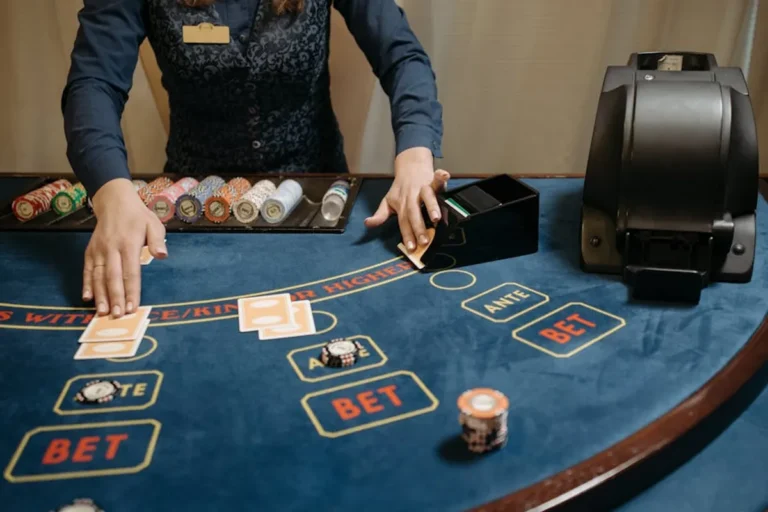

Navigating the array of casino games can be daunting for new players. The objective for a beginner is not necessarily to win big immediately, but to understand the mechanics, manage risk, and enjoy the experience without feeling overwhelmed by complex rules or rapid decision-making. This guide focuses on games that offer a lower barrier to entry, often featuring straightforward rules, transparent odds, and opportunities to learn basic strategy without significant financial exposure. The emphasis is on accessibility and a clear path to understanding, allowing new players to build confidence and develop a foundational grasp of casino play before exploring more intricate options.
Understanding Key Factors for Beginner Casino Players
Before selecting a game, new players should consider several core factors that influence the overall experience. These elements dictate both the ease of learning and the potential for long-term engagement. Prioritizing these aspects can prevent common beginner frustrations and foster a more enjoyable introduction to casino environments.
Rule Simplicity: The most critical factor for beginners. Games with few rules and clear objectives allow for immediate participation without extensive pre-game study. Overly complex rule sets can lead to confusion and incorrect play, diminishing enjoyment and increasing potential losses.
House Edge: This represents the casino's statistical advantage over the player. A lower house edge means a smaller long-term disadvantage for the player. While pure luck plays a role, understanding the house edge helps beginners make informed choices about where to place their wagers. Games with a lower house edge, especially when played with basic strategy, offer better value over time. For players looking to maximize their playtime, understanding these games with a lower house edge is key.
Pace of Play: Some games move very quickly, requiring rapid decisions, while others are more deliberate. A slower pace allows beginners more time to think, observe, and understand the flow of the game without feeling pressured. High-speed games can quickly deplete a bankroll if decisions are made without proper consideration.
Strategic Depth: While beginners often seek simplicity, some games offer basic strategies that can improve odds. The ideal beginner game provides a clear, easy-to-learn strategy that significantly impacts outcomes, rather than requiring memorization of complex charts or advanced probability calculations.
Social Interaction: Some players prefer a social atmosphere, while others prefer solitary play. Table games generally involve more interaction with dealers and other players, which can be part of the appeal or a source of intimidation for newcomers. Slots and video poker, for instance, offer a more private experience.
1. Blackjack
Blackjack stands out as a prime choice for beginners due to its accessible objective: get closer to 21 than the dealer without exceeding it. The rules are intuitive, involving simple decisions like "hit" (take another card) or "stand" (take no more cards). This game offers one of the lowest house edges in the casino, especially when played with basic strategy, which is surprisingly easy to learn and widely available. The strategic element is not overwhelming, focusing on a few key decision points that significantly improve a player's odds against the house.
Best For: Players seeking a blend of simple rules, strategic engagement, and a low house edge. Ideal for those who enjoy card games and want to make decisions that influence the outcome.
Pros:
- Easy-to-understand objective and basic rules.
- One of the lowest house edges in the casino with basic strategy.
- Strategic decisions are clear and impactful.
- Social interaction at the table can enhance the experience.
Cons:
- Can be intimidating initially due to other players at the table.
- Requires memorization of basic strategy for optimal play.
- Fast pace in some games can pressure new players.
Verdict: Blackjack offers an excellent entry point for beginners willing to invest a small amount of time learning basic strategy. Its low house edge and clear decision-making process provide a rewarding and engaging experience that balances luck with skill.
2. Baccarat
Baccarat is often perceived as a high-roller game, but its core mechanics are remarkably simple, making it highly suitable for beginners. Players only need to choose whether to bet on the "Player" hand, the "Banker" hand, or a "Tie." The dealer handles all card-drawing rules, eliminating any need for player decision-making during the hand. The house edge on the Banker bet is one of the lowest in the casino (around 1.06%), making it statistically favorable. The game's elegance and straightforward betting process appeal to those who prefer a less interactive and more observational experience.
Best For: Players who prefer a game of pure chance with minimal decision-making and a very low house edge on specific bets. Ideal for those who want a sophisticated, yet simple, table game experience.
Pros:
- Extremely simple rules; no strategic decisions required from the player.
- Very low house edge on the Banker bet.
- Fast-paced rounds, but decisions are made before cards are dealt.
- Often played in a quiet, less intense atmosphere than other table games.
Cons:
- Can feel less engaging due to lack of player input during the hand.
- "Tie" bet has a significantly higher house edge and should be avoided.
- Minimum bets can sometimes be higher than other beginner games.
Verdict: Baccarat is an ideal choice for beginners seeking a game with a minimal learning curve and excellent odds on its primary wager. Its simplicity allows new players to focus purely on the thrill of the outcome without worrying about complex strategy.
3. Roulette
Roulette is iconic for its spinning wheel and distinctive numbered layout, offering a visually engaging experience. For beginners, its appeal lies in the variety of bets, many of which are straightforward and offer nearly 50/50 odds. Betting on "red or black," "odd or even," or "high or low" are simple choices with clear payouts. While the house edge is fixed (2.70% for European roulette, 5.26% for American roulette due to the double zero), the game requires no skill or strategy. Players simply place their chips on their chosen numbers or categories, and the outcome is purely determined by the wheel spin.
Best For: Players who enjoy games of pure chance, visual excitement, and a wide range of betting options without the need for strategy. Ideal for social players who enjoy watching the action unfold.
Pros:
- Extremely simple to understand; no skill or strategy required.
- Wide variety of betting options, from low-risk outside bets to high-payout inside bets.
- Engaging and social atmosphere at the table.
- Pace of play allows time for placing bets.
Cons:
- Fixed house edge is higher than basic strategy blackjack or baccarat.
- American roulette's double zero significantly increases the house edge.
- Can be tempting to make high-risk, low-probability bets (e.g., single number).
Verdict: Roulette offers an exciting and easy-to-learn entry into casino gaming, particularly for those who prefer pure chance. Beginners should stick to European roulette and focus on outside bets for the best odds and a more controlled experience.
4. Craps
Craps can appear intimidating at first glance due to its complex table layout and unique terminology, but the core game for beginners is remarkably simple. Focusing solely on the "Pass Line" bet is the easiest entry point. This bet has a low house edge (1.41%) and involves simply betting whether the shooter will "pass" (roll a 7 or 11 on the come-out roll, or establish a point and roll it again before a 7). All other players at the table are typically rooting for the "Pass Line," creating a highly energetic and social atmosphere. Beginners can participate fully by mastering just this one bet.
Best For: Social players seeking an energetic, communal experience with a low house edge on a primary bet. Ideal for those who enjoy dice games and don't mind a loud, active table.
Pros:
- "Pass Line" bet has a low house edge and is easy to understand.
- Highly social and exciting atmosphere; often the loudest table in the casino.
- Offers "odds" bets (after a point is established) which have no house edge.
- Can be very engaging once the basic mechanics are grasped.
Cons:
- Table layout and other bets are very complex and can be overwhelming.
- Fast pace can be intimidating for new players.
- Unique terminology requires some familiarity.
Verdict: While initially daunting, Craps offers a thrilling and social experience for beginners who stick to the "Pass Line" bet. Its low house edge for this primary wager makes it a good value, provided players resist the urge to explore more complex, higher-edge bets prematurely.
5. Slots
Slot machines are the epitome of simplicity in casino gaming: insert money, press a button, and wait for the reels to spin. There are no rules to learn, no strategy to master, and no decisions to make beyond choosing a bet size. This makes slots the most accessible game for absolute beginners. Modern slots feature engaging themes, elaborate graphics, and often offer bonus rounds or free spins, providing diverse entertainment. However, they typically have a higher house edge than most table games, meaning they offer lower returns over time.
Best For: Players seeking pure entertainment, no-skill gameplay, and a solitary experience. Ideal for those who enjoy vibrant visuals, sound effects, and the thrill of random outcomes.
Pros:
- Extremely easy to play; no rules or strategy required.
- Wide variety of themes, features, and betting limits.
- Engaging graphics and sound effects.
- Offers a private gaming experience without social pressure.
Cons:
- Generally have a higher house edge compared to table games.
- Can lead to rapid bankroll depletion due to fast play.
- No player input or skill component to influence outcomes.
Verdict: Slots are perfect for beginners who prioritize effortless entertainment over strategic play and house edge. They offer immediate engagement and a diverse range of experiences, but players should be mindful of their higher long-term cost.
6. Video Poker
Video Poker combines the simplicity of a slot machine interface with the strategic elements of five-card draw poker. Players are dealt five cards, choose which to hold, and then draw new cards to form the best possible poker hand. The payout structure is clearly displayed on a "pay table," and with optimal strategy, some video poker variants (like Jacks or Better) can offer a house edge comparable to or even better than blackjack. While it requires learning basic poker hand rankings and a simple strategy chart, this effort is rewarded with significantly improved odds.
Best For: Players who enjoy a solitary experience but want a game where strategy and skill can influence the outcome. Ideal for those willing to learn basic poker hand rankings and a simple strategy chart.
Pros:
- Can have a very low house edge with optimal strategy (sometimes even below 0.5%).
- Player decisions directly impact the outcome.
- Clear pay tables allow players to understand potential returns.
- Offers a private gaming experience.
Cons:
- Requires learning basic poker hands and a strategy chart for optimal play.
- Can be less visually engaging than modern slot machines.
- Mistakes in strategy can significantly increase the house edge.
Verdict: Video Poker is an excellent choice for beginners who want to introduce a strategic element into their play without the pressure of a live table. The investment in learning basic strategy pays off with some of the best odds in the casino.
7. Three Card Poker
Three Card Poker offers a simplified version of poker, making it highly accessible for beginners. Players are dealt three cards and compete against the dealer's hand, not other players. The primary bet, "Ante and Play," involves placing an ante, receiving cards, and then deciding whether to "play" (place an additional bet) or "fold." The hand rankings are simplified to three-card combinations. There's also a "Pair Plus" side bet which pays out based solely on the player's hand, regardless of the dealer's hand, adding another layer of simple betting.
Best For: Beginners looking for a fast-paced card game that combines elements of poker with simplified rules and direct competition against the dealer. Ideal for those who enjoy quick decision-making.
Pros:
- Easy to learn three-card poker hand rankings.
- Fast-paced gameplay with quick resolution of hands.
- Direct competition against the dealer simplifies the game.
- "Pair Plus" side bet offers additional, simple betting opportunities.
Cons:
- House edge is higher than blackjack or baccarat.
- Requires a basic understanding of when to "play" or "fold" for optimal strategy.
- Can be tempting to make the "Pair Plus" bet, which generally has a higher house edge.
Verdict: Three Card Poker provides a quick, engaging, and relatively easy-to-learn poker variant for beginners. Its simplified structure allows new players to experience the thrill of poker without the complexities of traditional five-card games, though the house edge is higher than some other options.
8. Casino War
Casino War is arguably the simplest card game offered in a casino, making it an excellent starting point for absolute beginners. The game mirrors the children's card game "War": the player and the dealer each receive one card, and the higher card wins. If there's a tie, players can either "surrender" (lose half their bet) or "go to war" (double their bet and receive another card). The rules are immediately intuitive, requiring no strategy beyond the basic choice in case of a tie. The house edge is moderate, making it a low-commitment, high-fun option.
Best For: Absolute beginners seeking the simplest possible card game with immediate understanding and minimal decision-making. Ideal for those who want a quick, lighthearted experience.
Pros:
- Extremely simple rules; virtually no learning curve.
- Fast-paced and easy to follow.
- The "go to war" option adds a small element of player choice.
- Social and often lighthearted atmosphere.
Cons:
- House edge is higher than blackjack or baccarat.
- Lacks strategic depth, which may not appeal to all players long-term.
- Tie bet has a significantly higher house edge and should be avoided.
Verdict: Casino War serves as an ideal introduction to card games for beginners due to its unparalleled simplicity. It's a game for pure entertainment and quick resolution, perfect for those who want to jump straight into playing without any prior knowledge.
9. Keno
Keno is a lottery-style game that is very easy to understand and play. Players choose a set of numbers (typically between 1 and 20) from a grid of 80 numbers. Then, 20 numbers are randomly drawn. Payouts depend on how many of the player's chosen numbers match the drawn numbers. Keno offers a very relaxed pace, as draws often occur every few minutes, allowing players to sit back and watch the results. While the house edge is generally high (often 20% or more), its simplicity and potential for large payouts from small bets attract many casual players.
Best For: Players who enjoy lottery-style games, prefer a slow pace, and seek the thrill of potentially large payouts from small wagers. Ideal for those who want a low-stress, observational game.
Pros:
- Extremely simple rules; no strategy required.
- Very slow pace, allowing players to relax and observe.
- Potential for large payouts from small bets.
- Offers a low-pressure, solitary gaming experience.
Cons:
- Very high house edge, making it one of the least favorable games for players.
- Lacks player interaction or strategic depth.
- Long periods between winning numbers can be uneventful.
Verdict: Keno is a straightforward and relaxing game for beginners who prioritize ease of play and the chance for a big win over favorable odds. It's best approached as a casual entertainment option rather than a game for consistent returns.
10. Pai Gow Poker
Pai Gow Poker is a unique poker variant that combines elements of traditional poker with the ancient Chinese game of Pai Gow. Players receive seven cards and must arrange them into two separate poker hands: a five-card "high" hand and a two-card "low" hand. The objective is for both of the player's hands to beat both of the dealer's hands. This game is known for its slow pace and frequent pushes (ties), which makes it an excellent choice for beginners looking to extend their playing time and minimize volatility. The house edge is relatively low, especially when playing optimally.
Best For: Players who enjoy a slower-paced poker variant with frequent pushes, allowing for extended playtime. Ideal for those willing to learn a simple hand-setting strategy and who prefer a less volatile experience.
Pros:
- Slow pace allows ample time for decision-making.
- Frequent pushes mean less money is lost quickly, extending playtime.
- Relatively low house edge with optimal hand-setting strategy.
- Offers a strategic element without being overly complex.
Cons:
- Requires learning how to set two poker hands from seven cards.
- Can be less exciting due to the high frequency of pushes.
- Understanding specific rules for setting hands (e.g., "fouling" a hand) is crucial.
Verdict: Pai Gow Poker is an excellent choice for beginners who appreciate a slower, more thoughtful game with a low house edge and extended playing time. Its unique hand-setting challenge offers a strategic depth that is engaging but not overwhelming.
11. Sic Bo
Sic Bo is an ancient Chinese dice game that has gained popularity in casinos for its simplicity and diverse betting options. Players bet on the outcome of three dice rolled by the dealer. The table layout offers a wide range of bets, from simple "Big" or "Small" bets (which have nearly 50/50 odds) to specific number combinations or totals. Like roulette, Sic Bo requires no skill or strategy; the outcome is purely random. Its visual appeal and multitude of betting choices make it an engaging option for those who enjoy dice games and want a straightforward experience.
Best For: Players who enjoy dice games, prefer pure chance, and appreciate a wide variety of betting options without requiring strategy. Ideal for those seeking a visually engaging and fast-paced game.
Pros:
- Very simple to understand; no skill or strategy required.
- Wide range of betting options, from low-risk to high-payout.
- Fast-paced rounds keep the action moving.
- Engaging visual display of dice rolls.
Cons:
- Many bets have a very high house edge, making careful selection crucial.
- Can be tempting to place multiple high-risk bets.
- The sheer number of betting options can initially seem overwhelming.
Verdict: Sic Bo offers a fun and easy-to-learn dice game for beginners, particularly those who enjoy the excitement of random outcomes. New players should stick to the "Big" or "Small" bets for the best odds and a more controlled introduction to the game.
12. Dragon Tiger
Dragon Tiger is a simplified version of Baccarat, often found in Asian-themed casinos, and is one of the easiest card games to learn. Two cards are dealt: one to the "Dragon" position and one to the "Tiger" position. Players simply bet on which card will be higher, or if there will be a "Tie." Aces are low, and kings are high. There are no additional cards drawn or complex rules, making it incredibly straightforward. The house edge on the Dragon and Tiger bets is low (around 3.73%), making it a quick and accessible game for beginners.
Best For: Absolute beginners seeking the simplest possible card game with minimal rules and very fast-paced action. Ideal for those who appreciate pure chance and quick resolution.
Pros:
- Extremely simple rules; virtually no learning curve.
- Very fast-paced rounds, with quick resolution of bets.
- Low house edge on the main "Dragon" and "Tiger" bets.
- No strategic decisions required from the player.
Cons:
- Lacks strategic depth, which may not appeal to all players.
- The "Tie" bet has a significantly higher house edge and should be avoided.
- Can feel less engaging due to the game's extreme simplicity.
Verdict: Dragon Tiger is an excellent choice for beginners looking for the quickest and easiest card game experience. Its directness and speed provide immediate engagement, making it perfect for those who want to jump straight into the action without any prior knowledge.
Selecting Your First Casino Game
Choosing the right casino game as a beginner involves aligning the game's characteristics with your personal preferences and risk tolerance. There is no universally "best" game; rather, there is an optimal fit for individual play styles and learning curves. Consider these points when making your selection:
Prioritize Simplicity: If you're completely new, start with games like Casino War, Dragon Tiger, or Slots. These require virtually no learning and allow you to get comfortable with the casino environment without the pressure of complex decisions.
Consider Strategic Engagement: If you enjoy making decisions that impact outcomes, Blackjack or Video Poker are excellent choices. They offer a low house edge for players willing to learn basic strategy, providing a more intellectually stimulating experience.
Evaluate House Edge vs. Entertainment: Games